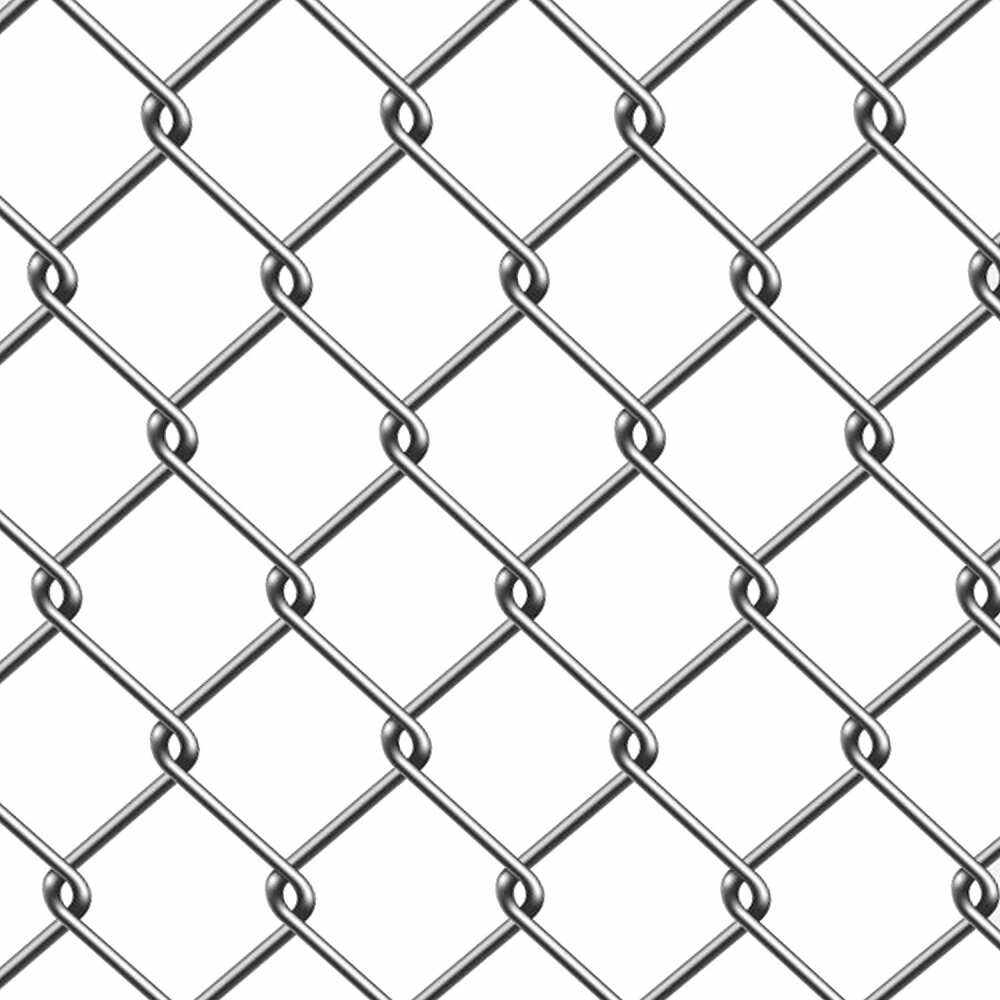
Last year, a general contractor in Sacramento called us in a panic. He'd installed 2,400 feet of galvanized fencing wire on a $180,000 commercial project - and 14 months later, the entire east-facing run was rusting through.
The worst part? It wasn't a material defect. It was a specification error that cost him $38,000 in replacement labor and materials, plus a lawsuit threat from the property owner.
We've been supplying galvanized fence wire since 1932, and we've seen this story play out a hundred times. Contractors buy the cheapest wire on the shelf, skip the coating-class specs, and discover the hard way that all galvanized wire isn't equal. Here's what you need to know.
Hot-Dip vs. Electro-Galvanized: Why Coating Method Matters More Than Price
The Sacramento contractor? He bought electro-galvanized from a big-box supplier. Cheap. Fast delivery. Perfect for a rushed commercial job. Except electro galvanizing deposits a thin, uniform zinc coating - typically 0.3 to 1.0 mils. In coastal and high-humid environments, that coating fails fast.
Hot-dip galvanizing is different. The wire is immersed in molten zinc (around 840 degrees Fahrenheit), creating a much thicker coating - 2 to 4 mils or more - with multiple zinc layers that bond metallurgically to the steel. It's not perfect, but it lasts. Class III hot-dip wire on every project? Zero callbacks over three years.
Here's what that contractor told us: "I learned the hard way that all galvanized wire isn't equal. Now I spec hot-dip Class III on every project. It costs maybe 8-12% more per coil, but I've eliminated warranty calls, callbacks, and reputation damage. It's the best money I spend."
The electroplating process creates a more uniform but brittle coating. When wire flexes during installation or expands and contracts in temperature cycles, electro-galvanized coatings crack and peel. Hot-dip coatings, being thicker and metallurgically bonded, move with the steel and maintain integrity even under stress. You're not just buying a coating; you're buying durability through a fundamentally different manufacturing process.
Don't bother with electro galvanizing for outdoor fence applications in coastal or wet climates. The upfront savings evaporate the first time you get a lawsuit letter.
Wire Gauge Selection by Application: What Actually Works
Gauge selection is where most contractors go wrong. Too-light wire and you're dealing with sagging, stretching, and premature failure. Too heavy and you're leaving money on the table. Here's the reality:
For most residential applications, 14 is your sweet spot. Commercial projects? Jump to #12 or #10, depending on tension requirements and expected lifespan. High wind, 9. The sweet spot balances cost and durability without overkill. In most moderate climates, 14 Class II offers 25-30 years of service. Coastal or high-salt environments demand at least Class III.
One thing we see repeatedly: contractors buy thicker gauge than needed to "be safe." Waste of money. And they buy lighter gauges to save pennies and regret it within two years. Know your application requirements and stick to the standard. When in doubt, add one gauge heavier rather than lighter. This simple principle saves countless warranty calls and reputation damage.
ASTM Standards That Actually Matter
ASTM A641 is the standard specification for zinc-coated (galvanized) carbon steel wire. It defines everything: wire strength, zinc coating weight, dimensional tolerance, and workability. But here's what most suppliers won't tell you: the coating class matters more than the base specification. It's the single most important variable for predicting real-world lifespan in outdoor fence applications.
Class 1 galvanized wire (0.30 oz/sq ft minimum per ASTM standards). Class 2 steps up (0.60 oz/sq ft). Class 3 is heavier still (1.0 oz/sq ft). We specify Class III hot-dip for fence applications because the coating thickness provides real corrosion protection in harsh environments. The difference isn't small - it's the difference between 15-year and 50-year equipment lifespan.
The difference between Class I and Class III isn't academic - it's the difference between a fence that lasts 15 years and one that lasts 50 years in coastal climates. Zinc acts as a sacrificial metal, corroding preferentially to protect the steel underneath. More zinc equals more protection. Thinner coatings (Class I, II) sacrifice themselves faster when exposed to salt spray, humidity, and harsh agricultural chemicals. Once the zinc layer is exhausted, rust accelerates rapidly on exposed steel.
Real-World Application Guide: Residential vs. Commercial vs. Agricultural
Residential Fencing
#14 or #12 hot-dip, Class II or III. 4-6-foot height, typical residential chain-link or vinyl hybrid applications. Zinc coating is your insurance policy - homeowners don't want to repaint a fence every three years. Budget 25-35-year lifespan. In mild inland climates, you can drop to Class II and save 5-8% without sacrificing long-term durability. Coastal residents should always specify Class III. The upfront cost difference is minimal compared to the 10-15-year longevity advantage.
Commercial & Industrial Fencing
#12 or #10 hot-dip, Class III always. Higher tension requirements, longer spans, and more aggressive environments. Think parking lots, warehouse perimeters, and security fencing. These applications demand zero-rust guarantees. Expect 40-60+ year performance with proper maintenance. Commercial clients hold contractors to strict liability standards, so don't compromise on coating class or gauge. The cost difference is negligible compared to replacement costs.
Agricultural & Pasture Fencing
#10 hot-dip, Class III minimum. Agricultural environments are brutal: salt spray from irrigation, livestock abuse, manure chemicals, and constant UV exposure. Don't skimp on gauge or coating class. This is where we see the biggest failures because contractors try to squeeze savings, and then cattle break through or wires snap under winter ice loads. Farmers remember the contractor who cut corners - and not in a good way. They'll never hire you again, and they'll warn other operators in the region.
High Wind, Costal Climate
#10 hot-dip, Class III minimum. Agricultural environments are brutal: salt spray from irrigation, livestock abuse, manure chemicals, and constant UV exposure. Don't skimp on gauge or coating class. This is where
#9 hot-dip, Class III minimum. High wind and costal climates are even more brutal, ocean salt spray, high winds, fog. For fencing installations along the coast or on hill sides with high winds, #9, Class III is the gold standard.
Proper maintenance extends galvanized fence lifespan by 10-20 years. Rinse salt deposits off coastal fences with fresh water annually - salt accelerates zinc corrosion. Inspect for pinhole corrosion annually, especially in the first 3-5 years. Look for small white deposits (zinc oxide) around wire-to-post contact points. That's normal. Look for black rust stains or white powder flaking off the coating. That's a problem requiring immediate attention.
Don't paint galvanized wire. The coating is designed to protect itself through sacrificial corrosion. Paint traps moisture and accelerates failure. Keep vegetation trimmed away from wire to allow air circulation. High moisture environments with vegetation against wire see premature corrosion failures.
5 Expensive Mistakes Contractors Make
1. Mixing Gauge Weights on the Same Project
You buy #14 for the north side, #12 for the south side "to save money." Months later, the #14 section started to sag while the #12 held tight. Visual inconsistency, warranty complaints, and a franchise reputation hit. Specify one gauge for the entire project.
2. Assuming "Galvanized" Means Protected
Electro-galvanized wire is "galvanized," but the coating is thin. In high-humidity or coastal zones, electro failures are common within 2-3 years. Insist on hot dip for any exterior application.
3. Ignoring Coating Class Specs
You spec "galvanized fence wire" without calling out Class III, and the supplier ships Class I. Rust appears within months. This mistake costs contractors' tens of thousands.
4. Installing Without Mill Certifications
You're on a warranty claim call three years later with no documentation. Always get certificates from your supplier and keep them with project records.
5. Over-Tensioning Without Wire Grade Verification
You're pulling tight on #16 wire meant for ornamental applications, and it snaps. Know your wire's tensile strength before you start tightening.
Frequently Asked Questions: What Contractors Really Want to Know
How long does galvanized fence wire actually last?
Hot-dip Class III wire in a dry climate? 40-50+ years without visible rust. Coastal or high-humid areas? 25-35 years if maintained. Electro-galvanized? 5-15 years in harsh conditions.
What gauge wire do I need for chain-link fence?
Residential: #14 (4-5 feet). Commercial: 12 or #10 (6+ feet, higher traffic), 9 (costal, high winds).
Can I use galvanized wire for electric fence?
Yes. Galvanized wire conducts fine and resists corrosion. The zinc coating actually protects the conductor.
What's the difference between Class 1, Class 2, and Class 3?
Zinc coating weight. Class 1 is minimum (0.30 oz/sq ft). Class 2 is mid-range (0.60 oz/sq ft). Class 3 is maximum (1.0 oz/sq ft). Use Class III for fence applications.
Is galvanized wire safe for livestock fencing?
Absolutely. The zinc coating is non-toxic to livestock. It's standard across agricultural installations.
That Sacramento contractor's $38,000 mistake could have been avoided with one thing: a clear specification that said "Hot-Dip Class III per ASTM A641." Just three words. It's the difference between guessing and knowing.
Western Steel & Wire supplies, every gauge, every coating class, with competitive lead times. Call us at 866-905-3198 or visit westernsteelwire.com - and talk to someone who actually knows wire.
Comments (0)
Leave a Comment