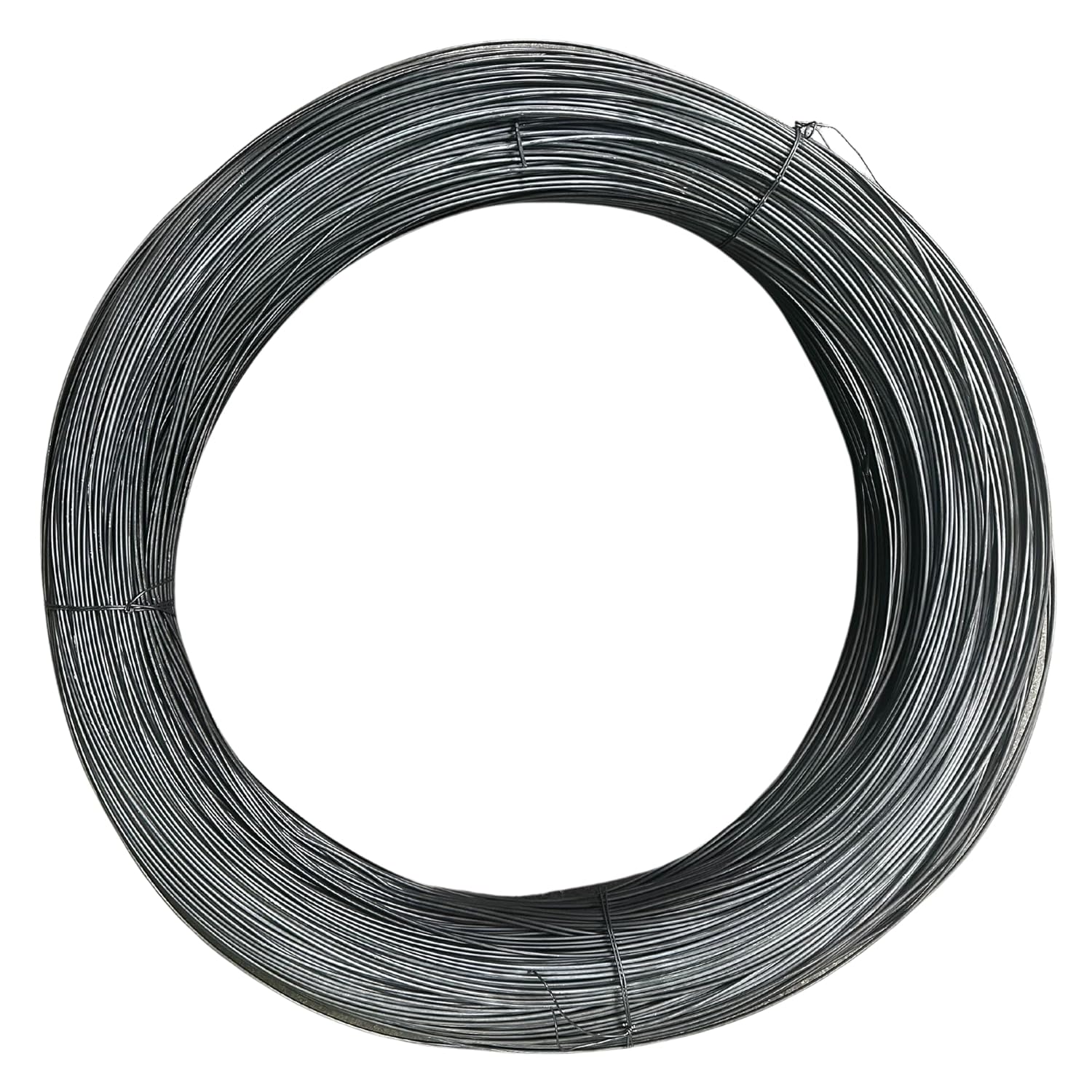
(And What Your Supplier Isn't Telling You)
Every concrete structure you've ever walked into - every bridge, every parking garage, every high-rise - has one thing in common. Before a single yard of concrete was poured, somebody tied thousands of rebar intersections together with black annealed wire. It's the most invisible, most essential product in construction. And most people buy it wrong.
Your crew knows the difference. Your ironworkers feel it in their hands. But somewhere between the job site and the purchasing department, the intelligence gets lost. Budget pressure, vendor relationships, and the race to cut costs all conspire to make contractors settle for wire that's "good enough."
This post is for the people who want to know what "good enough" actually costs - in lost productivity, wasted labor hours, and rework. Here's what your ironworkers already know but your purchasing department doesn't.
What Makes Wire "Annealed" - And Why It Matters More Than You Think
Annealing is heat treatment. That's it. That's the whole process. But the details matter.
Raw wire - even good wire - comes out of the drawing process work-hardened. The metal is stressed, cold, brittle. It'll snap when you bend it. So manufacturers heat it. Industry standard is 1,200°F to 1,400°F, held long enough for the crystal structure to relax and reorganize. When it cools, the wire is soft, ductile, and workable.
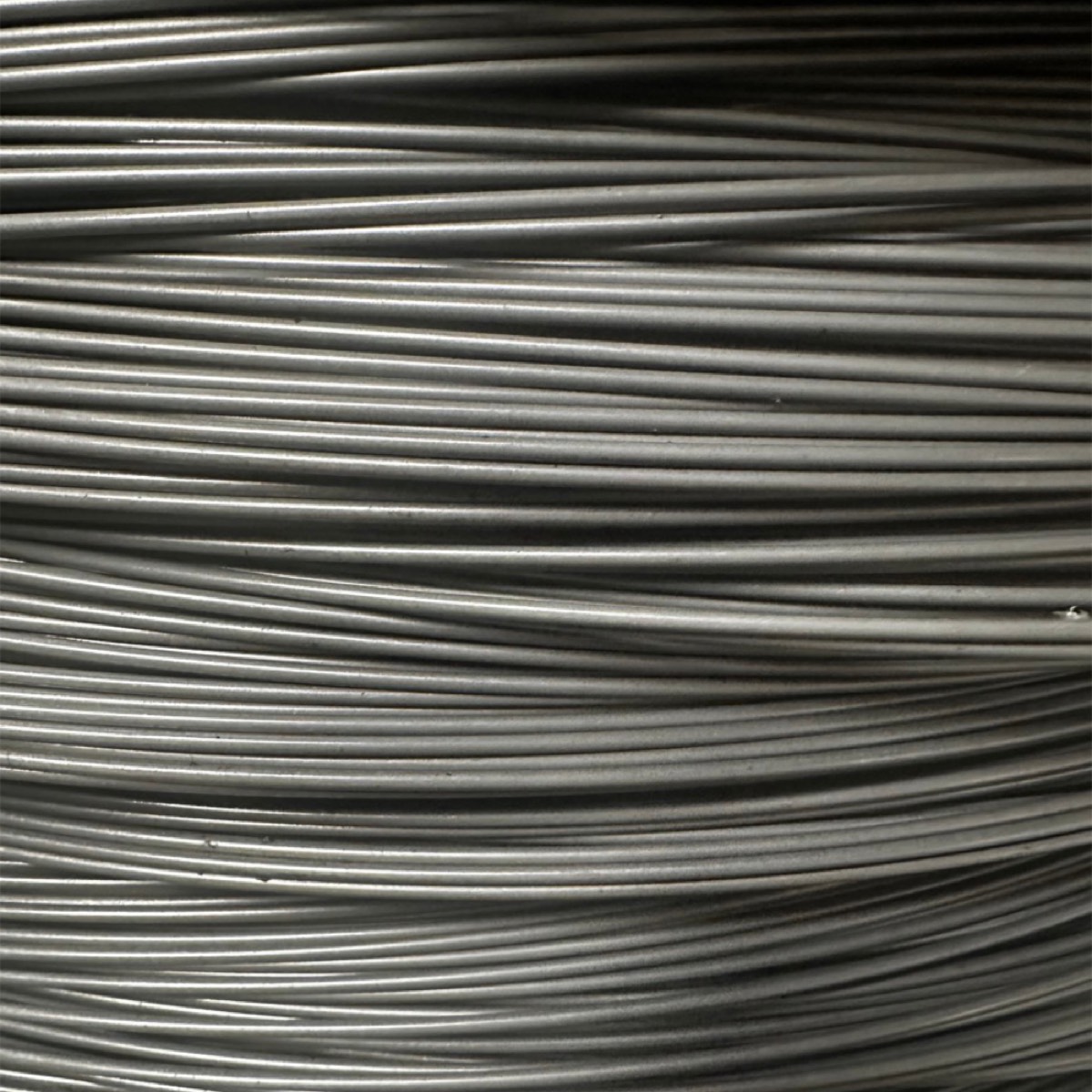
The word "black" just means it's not galvanized or painted. It's bare steel. The oxidation you see is a thin layer of iron oxide. That's not corrosion yet. That's just exposed steel, and in construction it's actually an advantage because it tells you the wire is real and uncoated.
The problem: not all annealing is created equal. Some suppliers push temperatures down to save money on heat treatment. Others skip the process entirely and rebrand cold-drawn wire as "annealed." The result is wire that looks right on a spec sheet but fails in your crew's hands. It breaks mid-tie. It tears during feeding. It costs you 45 minutes per day in lost productivity - and you're not even measuring it.
This is why specification matters. When you specify black annealed wire, you're not just ordering a commodity - you're ordering a process. You're telling your supplier that the wire needs to be heated to the right temperature, held there long enough for crystalline transformation to occur, and cooled properly. If they skip steps or cut corners, your crew pays the price.
The Right Wire for the Right Job
Gauge selection drives performance. Wire diameter is measured in gauges, and the relationship is inverse: higher gauge numbers mean thinner wire. Here's what the numbers actually mean in practice:
Gauge is diameter. 16-gauge is standard for most rebar tying - 0.0625 inches, or about the thickness of a coin. 14-gauge is the heavy hitter: it's thicker, stronger, used when you need maximum tensile strength. Most crews prefer 16 because it's the balance point between speed and security.
The tensile strength figures in the table assume proper annealing. If your wire is annealed below 1,200°F, those numbers don't apply. You're left with wire that looks right but performs poorly. That's the critical distinction: tensile strength is a function of proper heat treatment, not just raw material quality.
Why Bad Annealing Costs You More Than Bad Wire
Here's a real example. Last year, a scaffolding contractor in Oakland, CA was hemorrhaging time. The crew was losing 45 minutes per crew per day - not 45 seconds, forty-five minutes - because their black annealed wire kept snapping during tying.
The crew thought the problem was their technique. The supervisor thought it was a crew issue. The purchasing team thought the wire met spec. Nobody was looking at the wire itself.
It was none of those things. The supplier was shipping wire annealed at too low a temperature - around 900°F instead of the proper 1,300°F. The wire was technically "annealed" on paper, but it was brittle instead of soft. Every third or fourth tie would snap. The crew would have to restart, reposition, retie. Forty-five minutes of delay per day, every day.
Western Steel & Wire switched them to properly annealed wire processed at our 1,300°F standard. Same gauge, same price point, same packaging. Different result: the crew's daily output jumped 12%. The supervisor said it best: "I didn't realize our wire was the bottleneck until Western Steel & Wire showed us what properly annealed wire actually feels like."
That 12% productivity gain doesn't show up in your invoice. It shows up in crew morale, project timelines, and bottom-line margins. And it came from one decision: switching to wire from a supplier who takes annealing seriously. The crew went from frustrated and skeptical to confident and productive. That's not an accident. That's what happens when your material matches your process.
Gauge Selection: 16 vs 16.5 vs 14 - The Great Debate
This conversation happens on every job site. Here's the breakdown:
16-Gauge (0.0625"): This is your standard. Most rebar specs call for 16-gauge. It's been the industry default for decades because it works. Good tensile strength (70,000+ psi with proper annealing). Feeds smooth through tier guns. Most crews have years of experience with it. Cost per pound is middle-of-the-road. If your specs don't specify otherwise, 16-gauge is the safe choice.
16.5-Gauge (0.0575"): Slightly thinner. Faster to feed through tier guns because there's less material to push through. Uses less material overall (lighter spools, easier to carry on site). Tensile strength is still solid if properly annealed (65,000+ psi). Cost per pound is lowest. The tradeoff: slightly less holding power, so it's not ideal for high-stress connections. Good for faster production runs where speed matters more than maximum holding strength.
14-Gauge (0.0808"): The heavy hitter. Thicker wire, higher tensile strength (80,000+ psi). Used when you need maximum security - cantilever connections, heavy loading, critical structural points. Feeds slower through tier guns because of diameter. Costs more per pound and per spool because there's more material. Best used selectively for high-stress applications, not for blanket coverage of entire projects.
Most crews standardize on 16-gauge unless specifications require otherwise. It's the Goldilocks gauge: strong enough, fast enough, economical enough. But the real variable is annealing quality, not gauge choice. A properly annealed 16-gauge wire will outperform a poorly annealed 14-gauge every single time. This is the lesson that gets overlooked: the best gauge in the world won't compensate for bad annealing.
Storage, Handling, and the Rust Question
Black annealed wire is bare steel. That means it's exposed to weather and time. Here's what you need to know to avoid problems:
Storage matters. Keep spools and coils indoors or under a tarp when possible. The black oxidation layer protects against surface rust, but prolonged exposure to rain and humidity will eventually cause rust to form. Once rust starts, it spreads fast. Store in a dry location, rotate stock regularly (first in, first out), and inspect spools before use. If you're storing wire for extended periods before installation, humidity control is critical. A dry warehouse beats an outdoor covered area every time.
Handling is critical. Don't drop spools. Don't let them sit in standing water. Don't mix them with galvanized wire or other materials that could cause galvanic corrosion. Keep them clean and dry between delivery and installation. Treat wire spools with the same care you'd give rebar or structural steel, because that's what they are.
Outdoor use is temporary. Black annealed wire is not designed for long-term outdoor exposure or permanent installations. If you need permanent wire that won't rust, you want galvanized or stainless. Black annealed is for construction sites: rebar tying during concrete pours, scaffolding assembly, temporary bundling. Once the concrete sets or the scaffolding comes down, the wire's job is done.
Frequently Asked Questions
Does black annealed wire rust?
Yes, eventually. The black oxidation layer is not a rust-proof coating. It's a protective layer that slows oxidation, but it's not permanent. In construction applications, your wire is usually gone long before surface rust becomes a structural problem. If you need rust protection for long-term use, specify galvanized or stainless steel tie wire instead.
What gauge tie wire do ironworkers prefer?
16-gauge or 16.5-gauge, depending on application. 16 is the industry standard because it balances strength, speed, and cost. 16.5 is faster if you're prioritizing production speed. 14 is used only when specifications demand higher tensile strength. Most experienced crews have a strong preference based on the tier guns and techniques they've mastered, so consistency matters as much as the specific gauge.
Can I use black annealed wire outdoors long-term?
Not without corrosion issues. Black annealed is designed for temporary construction applications, not permanent outdoor installation. If you need outdoor wire, choose galvanized (zinc-coated) or stainless steel. These coatings provide rust protection for years or decades depending on environmental conditions.
What's the difference between annealed and galvanized tie wire?
Annealing is about workability; galvanizing is about protection. Both can be applied to the same wire. Annealed wire is soft and ductile, designed for tying and bundling. Galvanized wire has a zinc coating that prevents rust. For most construction rebar tying, you want annealed wire (workability is key). For outdoor or long-term use, you want galvanized or stainless. Some suppliers offer galvanized-annealed wire that has both properties, but it costs more.
How much tie wire do I need per ton of rebar?
It depends on rebar spacing and connection density. As a rule of thumb: 1.5 to 2 pounds of 16-gauge black annealed wire per ton of rebar for standard concrete construction. Heavy-loaded or cantilever designs might need 3 to 4 pounds per ton. The best approach is to measure actual consumption on your first pour, then scale from there. Most estimating software will give you a closer number, but this rule of thumb gets you in the ballpark.
The Bottom Line
Black annealed wire is not a glamorous product. It's not in your project schedule. It's not in your specs in bold letters. But it's the difference between a crew that flows smoothly and one that stops every few minutes to retie a snapped connection. It's the difference between a 12% productivity gain and lost hours. It's the difference between ironworkers who trust their tools and crews that are frustrated by them.
Buy from a supplier who takes annealing seriously. Specifically, one whose process hits 1,200 - 1,400°F and holds it long enough for real ductility. Inspect spools before use. Store them dry. Use the gauge your specs call for. And pay attention when your crew tells you the wire isn't working right - because they're the ones who feel the difference.
The right wire costs the same as bad wire. The only difference is the decision you make when you place the order.
About Western Steel & Wire
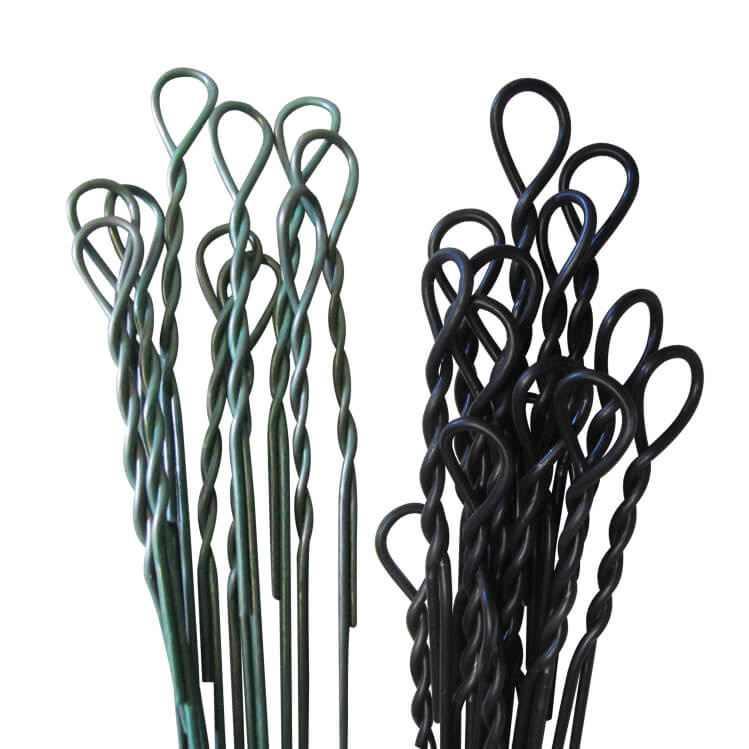
We supply tie wire to scaffolding and construction crews both domestically and internationally. We ensure the annealing process for the wire that we supply hits 1,200 - 1,400°F - the sweet spot for maximum workability. We offer bulk spools, coils, or cut lengths - whatever your crew prefers. Same-day shipping on standard 16-gauge and 16.5-gauge orders. Our commitment is simple: we take annealing seriously so your crew doesn't have to worry about wire quality on the job site.
Visit westernsteelwire.com or call for a quote. We'll send samples so your crew can feel the difference. Because when it comes to black annealed wire, feel matters. Touch it. Bend it. See if it snaps or if it gives. That's how you know if your supplier understands what annealing actually means.

Comments (0)
Leave a Comment