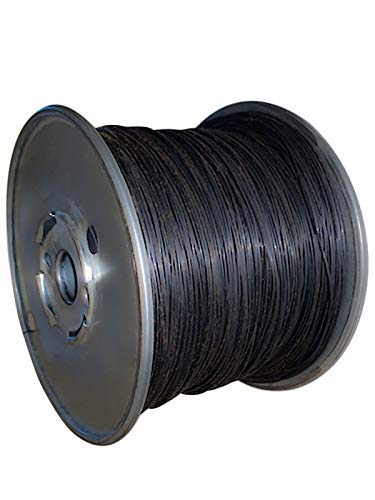
A spring manufacturer in San Jose was burning 45 minutes per shift just re-spooling wire that came tangled from their previous supplier. That's 3.75 hours a week of dead time—$14,600 a year in lost productivity. When they switched to properly spooled wire from Western Steel & Wire, that number dropped to zero.
Here's what most wire suppliers won't tell you: spooling isn't just packaging. It's a precision manufacturing process that either sets your production line up for success or sabotages it. The difference between sloppy spooling and expert spooling often comes down to a few inches of tension control, the angle of the traverse wind, and whether someone actually cares about what happens when the wire feeds into your machine.
In this guide, we'll walk through the wire spooling techniques that actually matter—the ones that eliminate feed jams, reduce scrap, and keep your production moving. You'll learn what separates a properly spooled spool from a coil, why traverse winding is worth paying for, and exactly what specs to hand to your supplier so they know you mean business.
Spool vs. Coil vs. Reel—Why Packaging Matters More Than You Think
Let's start with definitions. Most people throw these terms around interchangeably—they shouldn't. Each format does something fundamentally different, and picking the wrong one for your machine will cost you time and money.
A spool is a precision-wound form of wire on a rotating mandrel, engineered for automated feeding. The wire sits in carefully controlled layers (called levels), usually wound with consistent tension and synchronized traverse—meaning the wire feeds back and forth across the spool width as it winds. A spool is designed so the wire feeds cleanly from the end or the side into your production equipment. Spools come with flanges that guide the wire and prevent tangling. This is the format a medical device company needs. This is the format a spring manufacturer needs. This is what Western Steel & Wire specializes in.
A coil is looser, more informal. Wire is wrapped around in a loose spiral, usually without precise tension or traverse control. Coils are cheaper to produce and are fine for hand-fed applications or for general inventory—but they'll tangle and jam in any machine expecting a spool. If you've ever tried to feed a tangled coil of wire through a straightener and watched your machine grind to a halt, you understand the pain.
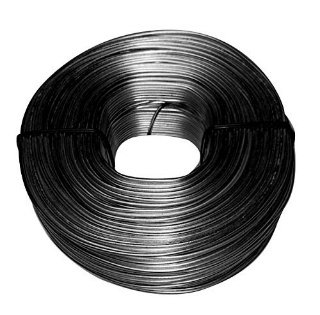
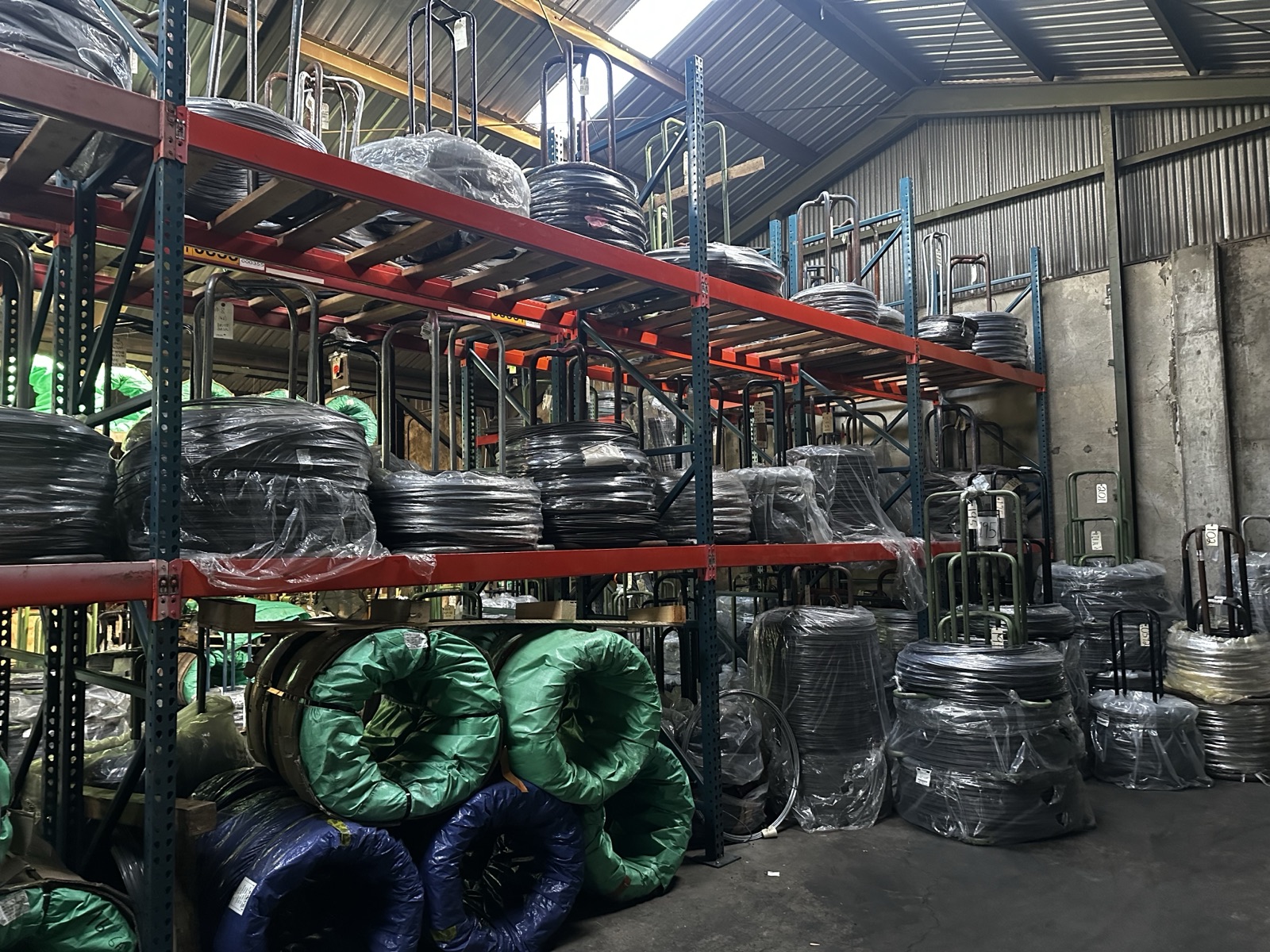
A reel is typically the largest format—usually 1,000+ pounds of wire on a large wooden or steel frame. Reels are for heavy-volume consumption, long-term storage, or resale by distributors. Your fabrication shop might receive reel stock and then re-spool to smaller unit sizes for actual production.
The takeaway: if you're feeding wire into any automated equipment—CNC benders, straighteners, welders, spring coilers, or medical wire formers—you need a spool. The packaging isn't incidental. It's part of your process.
Traverse Winding, Level Winding, and Precision Spooling Explained
Not all spooling techniques are equal. Here's the breakdown of the methods that separate premium suppliers from the rest:
| Spooling Method | Description | Best For | Tension Control | Typical Cost |
|---|---|---|---|---|
| Loose Coil | Wire wrapped in open loops, minimal tension, no traverse control | Hand-fed equipment, inventory stock | Minimal | Base |
| Level Wound | Wire wound in neat layers, consistent tension, no diagonal traverse; each level wraps independently | CNC benders, straighteners, moderate automation | Moderate (±2%) | +15% |
| Traverse Wound | Wire winds back and forth across spool width as diameter increases; fills spool uniformly; high-precision tension sync | High-speed automated lines, medical devices, springs | Precise (±1%) | +35-50% |
| Precision Spooling (Custom) | Traverse wound + documented tension + customer-spec flange spacing + quality cert; engineered to machine specs | Precision medical, aerospace, high-reliability manufacturing | Ultra-precise (±0.5%) | +60-80% |
The jump from loose coil to traverse wound is night and day. The difference between traverse and precision spooling is the difference between "it feeds" and "it always feeds perfectly." That 60–80% premium for precision spooling? It's insurance against the hidden costs of jams, scrap, and production restarts.
How Bad Spooling Kills Your Production Line—And What It Actually Costs
Let's talk real numbers. We worked with a medical device company that was running precision wire formers for catheter guide sheaths—nitinol wire, 0.018" diameter, incredibly precise work. Their supplier shipped the wire in loose coils with zero tension documentation. The wire would feed into the forming machine, but at variable tension—sometimes tight, sometimes slack. The result: 2.3% scrap rate on shapes that should have been 99.2%+ good.
That scrap rate cost them $87,000 a year in wasted material and labor rework. The buyer was furious. They called us.
We re-spooled their nitinol wire to precise traverse winding with custom flange spacing matched to their forming machine's spool arbor. We documented the tension throughout the spool (target: 2.8 pounds, tolerance ±0.2 lbs). Within one production run, their scrap dropped to 0.4%. Year-over-year savings: $82,700. They've been our customer ever since. As the procurement manager told us: "We thought it was a wire quality issue. Turned out it was a spooling issue. You fixed it without us changing anything else."
Then there's the straightforward case: a commercial contractor buying rebar tie wire, using it in a cordless tying gun. Bad spooling meant the wire would jam in the feed mechanism three times per shift. A crew that should tie 300 rebar intersections a day was only hitting 220. When they switched to Western Steel's level-wound spools, feed jams disappeared. Same product, same gauge—just properly wound. They added 80 ties a day. That's $18,000 in productivity per crew per year.
These aren't edge cases. These are the kinds of issues we see repeatedly because most wire suppliers treat spooling as a commodity afterthought.
Custom Spooling Specs—What to Ask Your Supplier
If you're going to specify custom spooling, don't guess. Here's the data you need to provide to get it right:
Wire diameter and material — Obviously. But specify: "0.045" bright basic" not just "0.045 wire."
Target spool diameter — Small spools (4"–8" OD) for CNC machines. Large spools (12"–18" OD) for high-volume automated lines. Oversized spools (20"+) for long runs or press brakes.
Desired spool weight — 1 lbs, 5 lbs? 25 lbs? Wire length is determined by your target weight.
Machine spool arbor specs — Flange inside diameter, flange width, bore diameter. If your tying gun or straightener has a 3" bore, your spool needs to fit that bore. Supply these numbers and we engineer the spool to fit.
Required winding method — Level wound, traverse wound, or precision custom-tension. Be specific about feed direction (side-feed vs. end-feed).
Desired tension specification — If you have feed equipment that's picky about tension, tell us the target and tolerance. Example: "3.2 lbs ±0.3 lbs throughout the spool." We can document and certify it.
Straightness or hardness requirements — If you're coiling music wire or spring steel, spooling under consistent tension helps maintain hardness. Tell us if straightness matters.
Quality certification needed — We provide mill certs with every spool, but if you need documented tension specs or third-party material traceability, ask.
Western Steel & Wire handles these specs every day—.0286" (#22) to .080" (#14) diameter wire, any coating, any alloy. We work backward from your machine's requirements to design the spool. Same-week turnaround on custom spools; usually 3-4 days.
Western Steel & Wire's Spooling and Coiling Capabilities
We've been spooling wire since 1932. That's 90+ years of learning what works and what doesn't. Here's what we bring to the table:
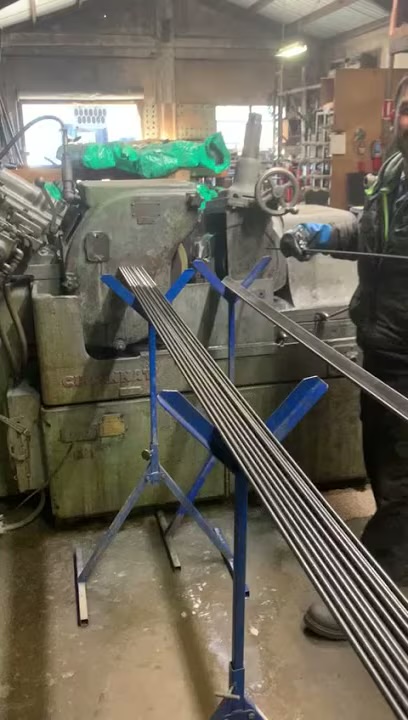
Precision equipment — mechanically controlled winding systems with electronic tension monitoring. We document wire feed rates, traverse speeds, and actual measured tension on every custom spool.
Full wire range — Bright basic, black annealed, galvanized, stainless steel (304 and 316), music wire, oil tempered, copper, aluminum, 14 to #22, 1 lb, 5 lb, 10 lb and 25 lb spools. If we carry it, we can spool it.
Inventory volume — Largest bare wire inventory in Northern California. That means we can spool large quantities without backlogs. Rush jobs? We handle them.
ASTM certification — Every spool ships with mill certs and material traceability. Medical device companies, aerospace suppliers, and military contractors trust our documentation.
Free consultation — Call us with your machine specs and production requirements. We'll engineer a spooling solution and get you a quote same day. No guesswork. No trial-and-error.
Frequently Asked Questions
What's the difference between a spool and a coil?
A spool has flanges, consistent tension, and is engineered for automated feeding. A coil is looser and cheaper, designed for hand-fed or inventory use. For any automated equipment, you need a spool.
What spooling tension should I specify?
It depends on wire diameter and material, but typical targets range from 1.5 lbs to 5 lbs for most applications. Medical and aerospace applications often require ±0.2–0.5 lb tolerance. Consult your equipment manufacturer's manual or ask us—we'll recommend the right tension for your wire gauge and machine.
Can wire be re-spooled to custom sizes?
Absolutely. If you receive reel stock from a mill or want to downsize from a large spool to smaller unit sizes, we can re-spool to your exact dimensions and weight. This is common in distributors and shops with multiple production machines.
What causes wire tangling during payoff?
Loose winding, uneven tension, and lack of traverse control. When wire is wound carelessly, loops overlap and cross, and the first few feet jam. Precision spooling eliminates this because each wrap sits evenly and tension is consistent.
How does spooling affect wire straightness?
Proper spooling under controlled tension preserves wire straightness. Over-tension can induce residual stress; under-tension leads to loose, kinked loops. For critical applications (straighteners, CNC machines), we recommend traverse-wound spools with documented tension specs to maintain wire condition.
The Bottom Line
Good spooling is invisible—the wire feeds flawlessly and you never think about it. Bad spooling is invisible too, until it costs you $14,600 a year or causes a 2.3% scrap rate on precision parts. The difference is engineering, precision equipment, and a supplier who actually cares about what happens after the spool ships.
Here are the key takeaways:
- Choose the right format: loose coil for inventory, level-wound spool for most automation, traverse-wound or custom for precision equipment.
- Specify your machine specs and tension requirements upfront; don't hope the supplier guesses right.
- Invest in precision spooling for automated equipment; the cost premium pays back in weeks via reduced scrap and eliminated downtime.
We spool wire exactly to your machine's specs—custom diameters, custom tension, custom flanges. Call us at (888) 488-7172 or visit westernsteelwire.com and request a spooling quote. Bring your spool dimensions, wire gauge, and tension requirements. We'll engineer a solution and have a quote back to you same day.
Authored by Dr. Timothy Allen Timmons, CEO, Western Steel & Wire. 30+ years manufacturing operations, PhD Business, expert in wire metallurgy, custom processing, and supply chain optimization.
Comments (0)
Leave a Comment