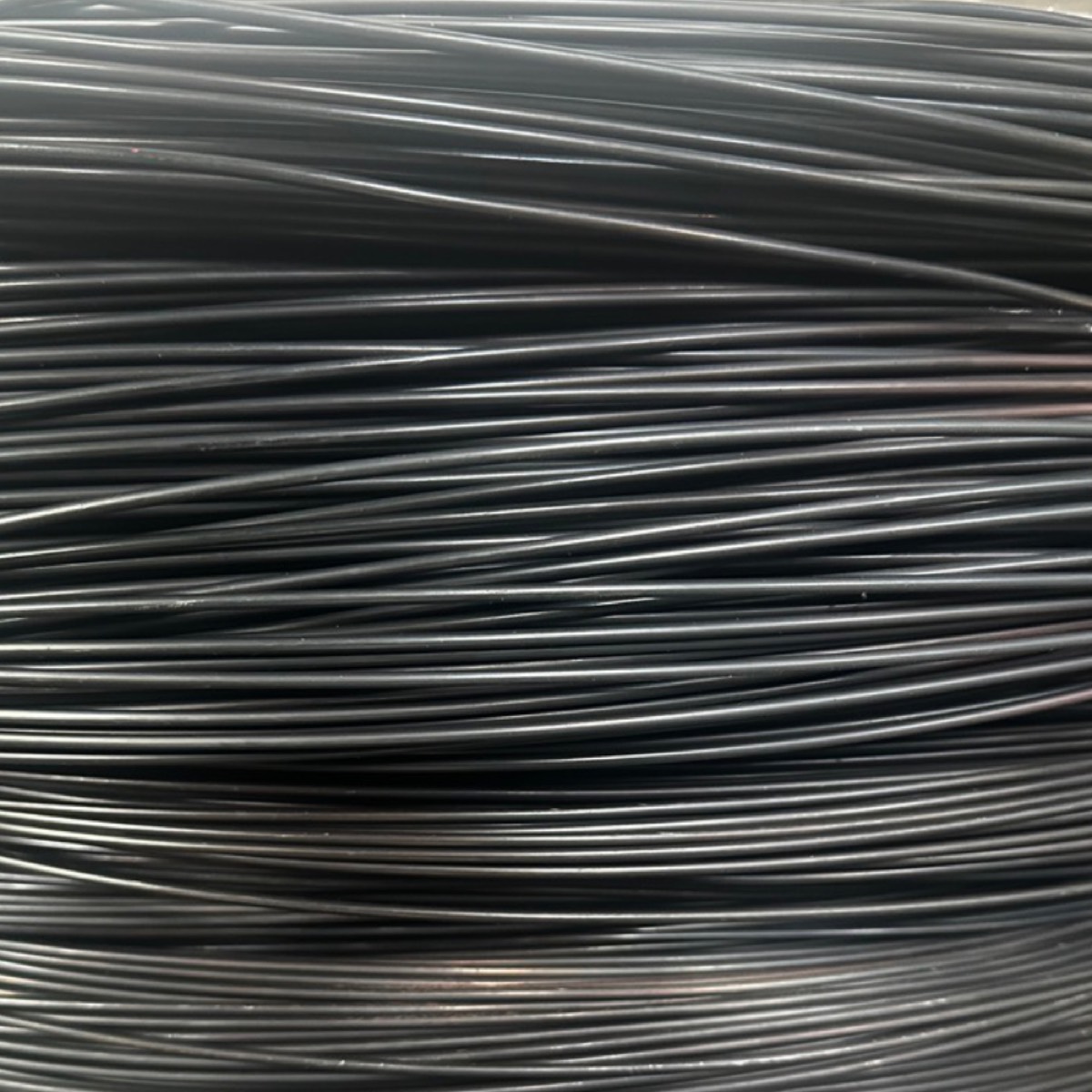
A spring manufacturer in Stockton was spending $0.12/lb extra on galvanized wire for an indoor application that would never see moisture. Over 80 tons a year, that's $19,200 wasted - on a coating that added zero value to their product. When they switched to bright basic wire, their material costs dropped 18% overnight, and their forming tools lasted 40% longer because there was no zinc buildup on the dies.
The real story isn't about the $19,200 they saved in year one. It's that bright basic wire is the workhorse nobody talks about. It's not glamorous. It doesn't have a fancy coating. But it's the starting point for about 60% of everything Western Steel & Wire sells, and it's the smartest material choice for more applications than you'd expect.
Bright basic wire is the economic, versatile backbone of manufacturing. If you're building springs, making wire forms, crafting tie wires, or fabricating components that will live in a dry or controlled environment, this is your material. And if you understand its properties and limitations, you can make decisions that save money, improve tool life, and simplify your supply chain.
What Is Bright Basic Wire? Definition, Properties, and Why It Matters
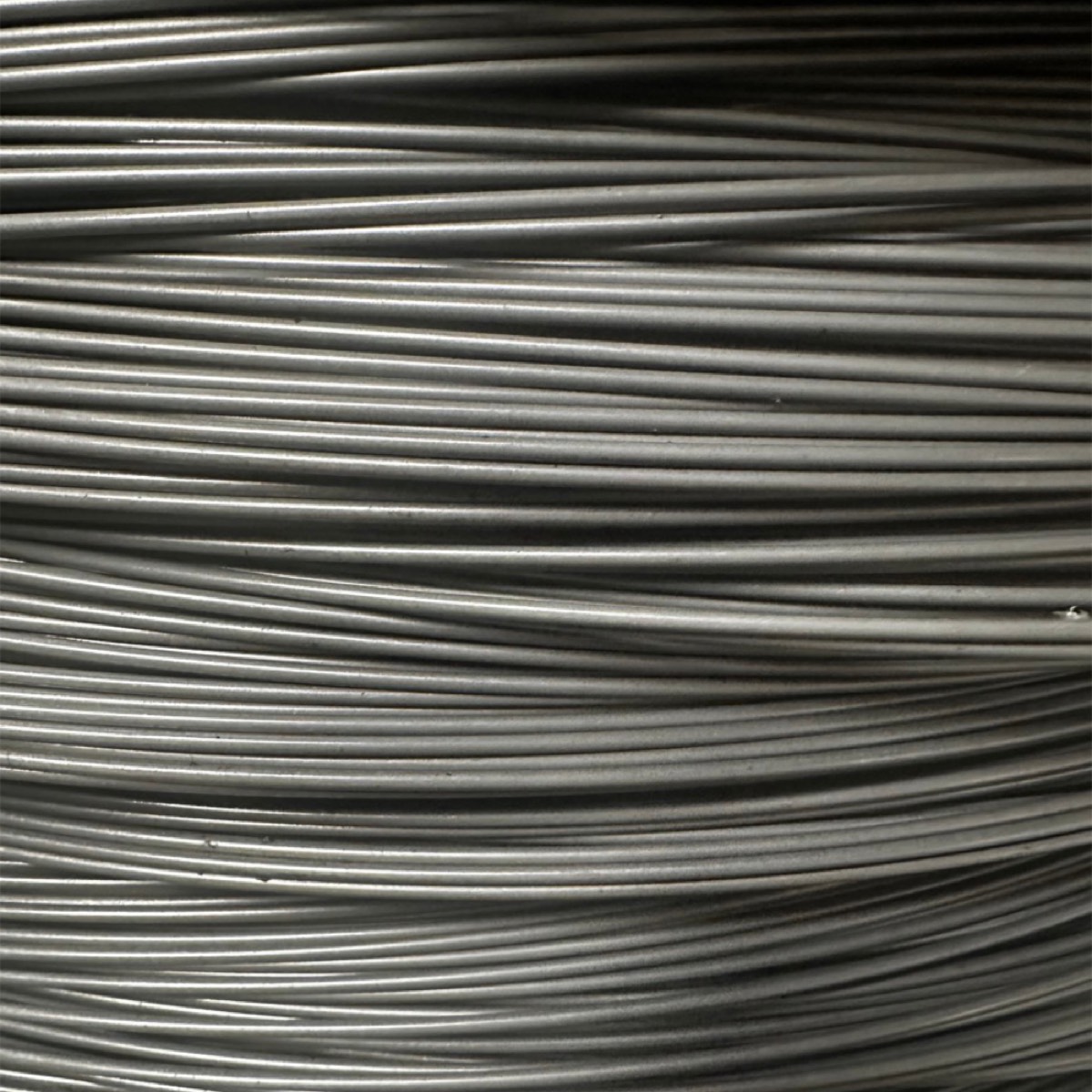
Bright basic wire is uncoated low-carbon or mild steel wire in its natural state. There's no zinc coating, no black oxide finish, no special treatment. What you get is raw steel wire with a bright, clean metallic surface and predictable mechanical properties across a range of carbon contents and gauges.
The term "bright" refers to the surface finish - a shiny, mill-fresh appearance. The term "basic" refers to its chemical composition: typically mild steel with carbon content in the 0.30% to 0.60% range, depending on the ASTM grade. This low-carbon chemistry makes bright basic wire easier to form, bend, and shape than high-carbon wire, which is why it dominates applications where flexibility and forming ease matter.
Bright basic wire is governed by ASTM A82 (the most common standard for tie wire) and ASTM A510 (low-carbon bright wire for general applications). Both standards define precise tensile strength ranges, carbon limits, and surface requirements. The result is wire that's uniform, predictable, and suitable for hundreds of manufacturing and construction applications.
Mechanical Properties and ASTM Specifications
Understanding the mechanical properties of bright basic wire is essential for choosing the right grade for your application. Tensile strength, elongation, carbon content, and diameter tolerance all matter. Here's a quick reference table of the most common ASTM grades Western Steel & Wire stocks:
| ASTM Standard | Carbon Range | Tensile Strength (ksi) | Common Gauges |
|---|---|---|---|
| A82 (Bright) | 0.30-0.50% | 52-65 ksi | 6-28 |
| A510 (Bright Basic) | 0.40-0.60% | 50-62 ksi | 8-26 |
| A764 (Spring Quality) | 0.50-0.70% | 70-90 ksi | 10-28 |
| A853 (High Carbon) | 0.70-0.95% | 85-110 ksi | 12-28 |
The key takeaway: bright basic wire ranges from 50-110 ksi in tensile strength, depending on carbon content. Lower carbon (0.30-0.50%) produces softer, more formable wire perfect for springs, ties, and shapes. Higher carbon (0.70-0.95%) delivers greater strength for applications requiring higher load capacity or fatigue resistance.
When Bright Basic Beats Coated Wire - The Application Guide
The biggest mistake manufacturers make is over-specifying material. They use galvanized wire for indoor applications, black annealed wire where bright basic would work, or stainless where the environment doesn't demand it. The result: higher material costs, slower forming, tool wear, and unnecessary complexity in procurement.
Bright basic wire wins in these scenarios:
Indoor manufacturing and forming: Springs, fasteners, wire forms, clips, and components in controlled environments.
Short shelf life: Products that move through production quickly (days to weeks) with no long-term storage exposure.
Post-coating or finishing: Bright basic as a raw substrate for later plating, powder coat, or paint.
High-speed forming: Its clean surface and lack of zinc buildup mean faster tool changeover and longer die life.
Cost-sensitive applications: Where every cent per pound matters and corrosion is not a risk factor.
That Stockton spring manufacturer is a perfect example. Bright basic at $0.68/lb versus galvanized at $0.86/lb. Multiply that by 80 tons annually, and you're looking at $14,400 pure material savings. Add in the tool life improvement (40% longer before die replacement), and the total ROI becomes substantial.
Here's how bright basic stacks up against its most common alternatives:
| Factor | Bright Basic | Galvanized | Black Annealed |
|---|---|---|---|
| Cost/lb | $0.68 | $0.86 | $0.74 |
| Corrosion Resistance | None (indoor) | Excellent | Moderate |
| Surface Finish | Bright & smooth | Dull gray | Black oxide |
| Best For | Indoor forming | Outdoor/harsh | Tie work |
Common Applications by Industry
Spring Manufacturing and Fasteners
Bright basic wire is the default starting material for compression springs, tension springs, and custom wire forms. Low-carbon grades (ASTM A82, A510) are formable at room temperature, which means no need for annealing before shaping. A spring manufacturer in San Jose reduced scrap by 12% simply by switching from overspecified stainless to bright basic for indoor spring production, saving $18,000 annually while improving throughput.
Retail Displays and Wire Fixtures
Bright basic is the material of choice for wire racks, shelving brackets, display fixtures, and point-of-sale stands. The bright finish looks clean and professional on the shelf, the material is easy to bend and weld, and the cost is unbeatable. A wire form shop in Los Angeles uses bright basic as their primary stock for retail fixtures, with occasional stainless or galvanized only when customer requirements demand it.
Tie Wire and Bundling
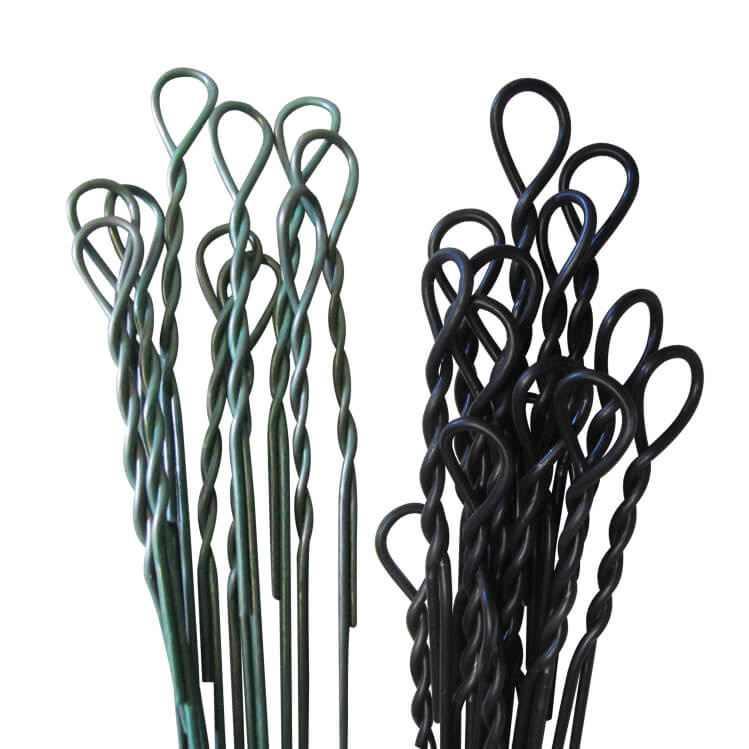
Bright basic is common in the tie wire space, though black annealed is the typical choice for construction rebar ties. However, bright basic is used extensively for bundling cables, components, and materials in warehouses and manufacturing floors. Its flexibility and clean appearance make it suitable for general-purpose bundling where outdoor exposure isn't a concern.
Medical Device Components and Precision Forms
In the medical device space, bright basic wire serves as the starting material for many non-sterile, non-implant components. Custom wire forms, brackets, clips, and assembly hardware are often bright basic, either bare or finished with a secondary process (plating, passivation, etc.). A Bay Area medical device OEM sources bright basic wire from Western Steel & Wire for internal use in assembly fixtures and component forming - not the finished product itself, but the critical infrastructure that makes precision manufacturing possible.
Agricultural and Fencing Applications
While galvanized is preferred for outdoor fencing due to corrosion resistance, bright basic is used in temporary fencing, inline repair, and short-term agricultural applications where the wire won't be exposed to elements for extended periods. A rancher in the Central Valley uses bright basic as a temporary reinforcement wire during fence repairs, replacing it seasonally rather than investing in permanent galvanized upgrades.
Storage, Handling, and Corrosion Prevention Tips
Bright basic wire is not corrosion-resistant. If you store it improperly or expose it to moisture, it will rust. The good news: managing this is straightforward, and for short-term, indoor applications, it's rarely an issue.
Keep it dry: Store bright basic wire in a dry warehouse or covered area. If stored outdoors, use a tarp or protective covering.
Minimize moisture contact: Don't store it in humid or damp areas where condensation accumulates. If you notice surface rust, it's cosmetic only (unless deep pitting occurs) and won't affect mechanical properties for most indoor applications.
Shelf life considerations: Bright basic has no real shelf-life limit if stored properly. It won't degrade chemically. Just keep it protected from the elements.
Handling equipment: Use standard wire handling equipment (reels, spools, straighteners, cutters). No special treatment required.
Post-coating option: If you need to add protection, bright basic is a perfect substrate for electroplating, powder coating, or paint.
Frequently Asked Questions About Bright Basic Wire
What Is Bright Basic Wire Used For?
Bright basic wire is used for applications where corrosion resistance isn't required and material cost is a priority. Common uses include: spring manufacturing, wire forms and clips, tie wire, fasteners, retail display fixtures, and as a raw substrate for plating or coating. It's also the standard starting material for many precision-bent wire components in manufacturing.
Does Bright Basic Wire Rust?
Yes, bright basic wire will rust when exposed to moisture. However, for indoor, dry, or short-term applications, rust is not a practical concern. If you need outdoor or long-term corrosion resistance, choose galvanized or stainless steel wire instead. For applications where the wire moves quickly through production or is stored in controlled conditions, bright basic is reliable and cost-effective.
What's the Difference Between Bright Basic and Galvanized Wire?
Bright basic is uncoated low-carbon steel; galvanized is the same steel with a zinc coating applied. Bright basic costs $0.15-0.20/lb less than galvanized, conducts electricity better, and has a cleaner surface finish. Galvanized lasts years outdoors or in harsh environments without rust. Choose bright basic for indoor use and cost savings; choose galvanized for outdoor exposure.
Can Bright Basic Wire Be Coated After Forming?
Absolutely. Bright basic is an excellent substrate for electroplating, powder coating, paint, and other finishes. Many manufacturers use bright basic as their base material, form it, then apply a protective coating afterward. This approach often costs less than starting with pre-coated wire and gives you more control over the final finish quality.
What Gauges Does Bright Basic Wire Come In?
Western Steel & Wire stocks bright basic wire in gauges 6 through 28 (0.192" down to 0.015" diameter). We also offer it in multiple carbon grades (ASTM A82, A510, A764, and others) and can straighten and cut to exact specifications. If you need a specific gauge, length, or coil size, contact us for availability and lead times.
The Bottom Line
Bright basic wire is the unsung hero of the wire industry. It's not glamorous, but it's economical, versatile, and perfect for thousands of indoor manufacturing and forming applications. When you specify the right material for the right job - instead of over-specifying out of habit - you unlock savings that compound across the entire supply chain.
That Stockton spring manufacturer didn't just save $19,200 in material costs. They improved tool life, reduced changeover time, and simplified procurement. Those are the kinds of wins that bright basic wire delivers across the board.
Western Steel & Wire has been supplying bright basic wire to the western United States manufacturers for over 90 years. We stock more gauges, more carbon grades, and larger coil sizes than any other distributor in the region. We also offer straightening and cutting services, CNC bending, and prototyping - everything you need to turn raw wire into finished components.
Ready to see how bright basic wire can improve your costs and performance? Visitwesternsteelwire.comor call us today to discuss your project. We'll help you find the exact bright basic wire specifications you need, with fast turnarounds and competitive pricing.

Comments (0)
Leave a Comment