
Pop quiz: your drawing calls for wire with 180,000 PSI minimum tensile strength. Your supplier's mill cert says 185 ksi.Does the wire meet spec?If you hesitated - or if you're not 100% sure what ksi means versus PSI - you're not alone.Tensile strength is the single most important mechanical property in wire selection, and it's the one that causes the most confusion.
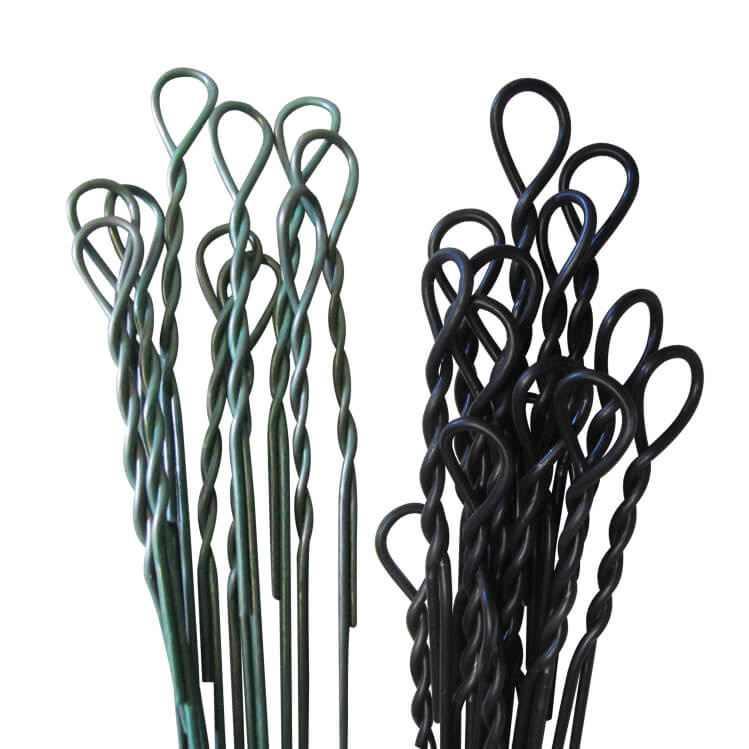
A scaffold tie wire manufacturer in Portland specified "high tensile" on their PO without a number. They got wire ranging from 80,000 to 140,000 PSI across three shipments. Two of those shipmentsfailed their break test.That vague spec cost them a week of production delays and a recall on an active jobsite. Their customer was not happy. The kicker? All three shipments were technically "correct" - because the original spec was meaningless.
This guide cuts through the confusion. We'll explain what tensile strength actually measures (and what it doesn't), show you the full spectrum from dead soft to spring grade, teach you to read a mill certification with confidence, and walk through the common mistakes that land the wrong wire in your bin.
What Tensile Strength Actually Measures (and What It Doesn't)
Tensile strength is the maximum stress a wire can withstand before it breaks.It's measured in pounds per square inch (PSI) or kilopounds per square inch (ksi - that's 1,000 PSI). When a mill cert says "185 ksi," that means the wire can handle 185,000 pounds of pulling force per square inch of cross-section before it snaps.
Here's what tensile strength does NOT tell you: how the wire behaves when you bend it, twist it, or heat it. Tensile measures only one thing - straight-line pulling stress. A wire with 200,000 PSI tensile strength might be brittle and crack when you coil it. Another wire at 150,000 PSI might bend smoothly for days without failure. Both can "meet spec" on tensile, but they behave completely differently in production.
That's why specifications always include TWO pieces of information: theminimum tensile strength(the absolute floor) and thetemper grade(dead soft, quarter hard, half hard, full hard, spring). The temper tells you how the wire will actually behave under load and during forming.
Think of it this way: tensile is the strength number. Temper is the personality.
The Tensile Strength Spectrum - From Dead Soft to Spring Temper
Not all wire comes out of the mill at the same strength. Steel wire tensile ranges from 50,000 PSI (soft, easy to bend) to 300,000+ PSI (brittle, minimal flex). The exact range depends on the material, the amount of cold-drawing, and the heat treatment. Here's the full spectrum:
| Wire Type | ASTM Spec | Tensile Range (ksi) | Temper | Common Applications |
|---|---|---|---|---|
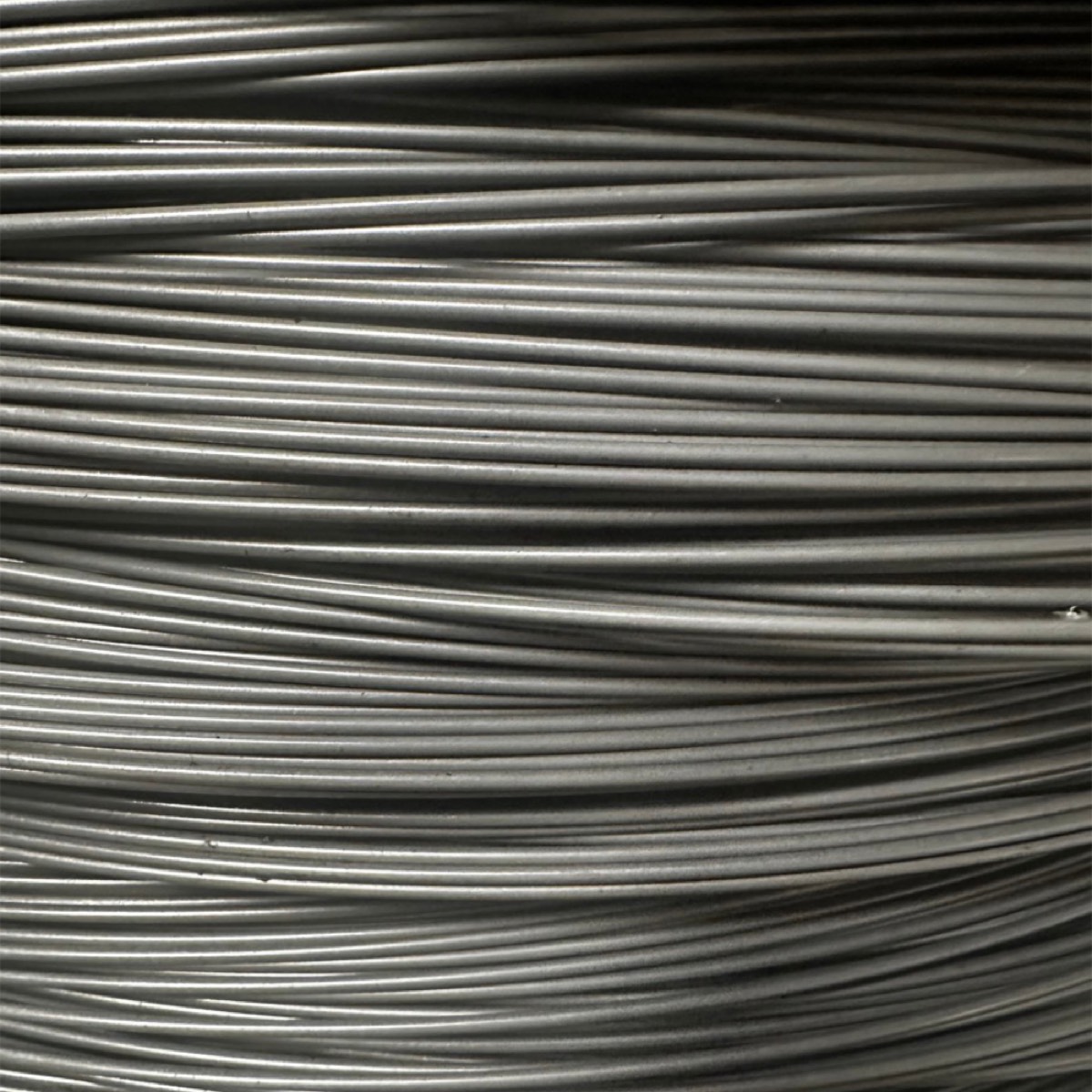
| Bright Basic (Dead Soft) | A227 | 50,000-80,000 | Dead Soft | Forming, bending, tie wire, binding wire |
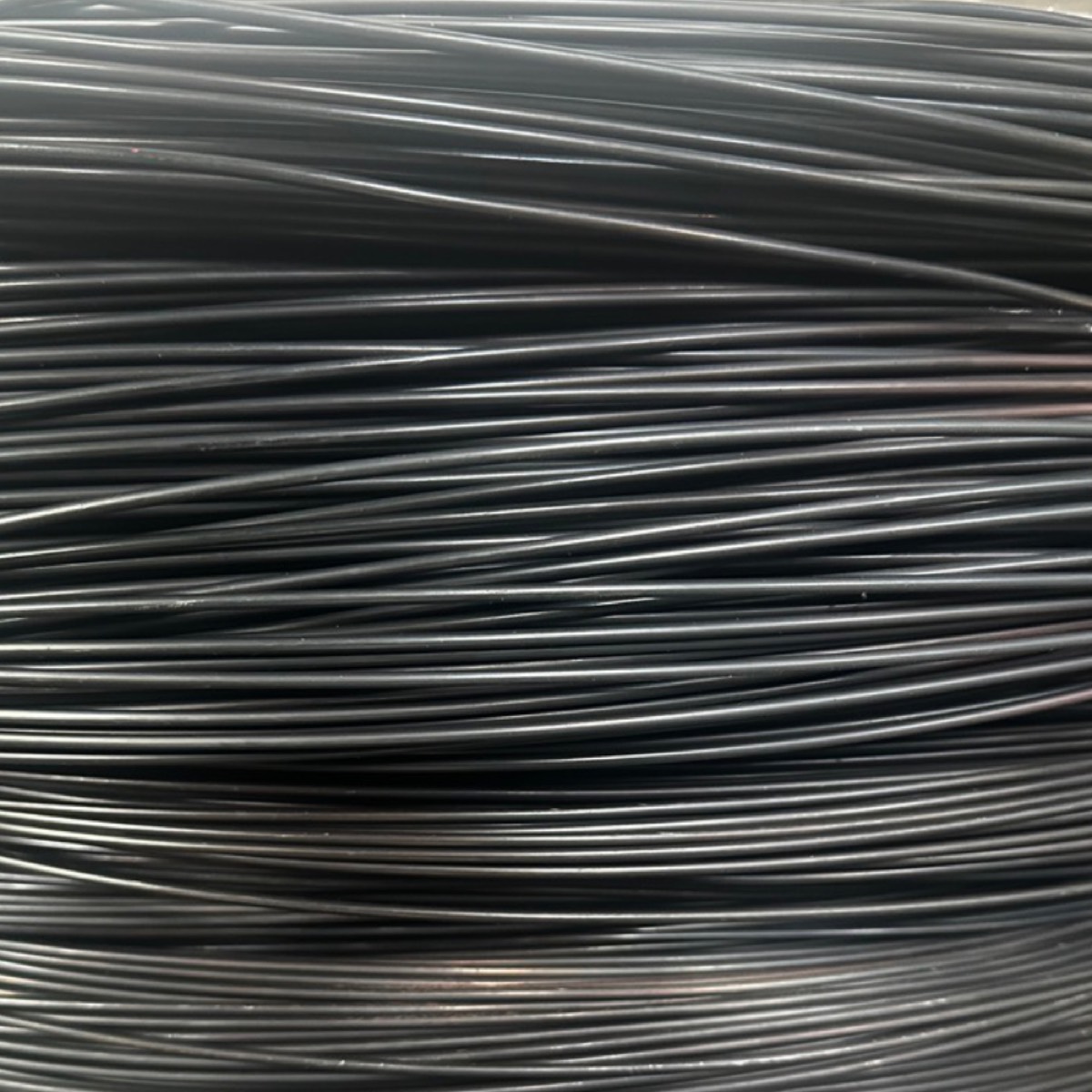
| Black Annealed (Quarter Hard) | A227 | 100,000-140,000 | Quarter Hard | Scaffolding ties, rebar ties, reinforcement |
| Black Annealed (Half Hard) | A227 | 140,000-180,000 | Half Hard | High-strength ties, fasteners, springs |
| Oil Tempered | A230 | 160,000-210,000 | Tempered | Springs, high-stress fasteners, suspensions |
| Music Wire (Spring Grade) | A228 | 200,000-300,000+ | Full Hard | Precision springs, musical instrument strings |
| Stainless Steel 304 (Annealed) | A313 | 60,000-100,000 | Annealed | Corrosion resistance, food processing, springs |
The key insight:as tensile strength increases, flexibility decreases.A 50,000 PSI dead soft wire will bend in your hand with almost no resistance. Music wire at 250,000 PSI? It'll snap with a sudden twist. Neither is "better" - they're built for different jobs.
How to Read a Mill Certification - The Numbers That Matter
Every coil that leaves our facility - and every reputable mill - ships with a mill certification. Here's what you're actually looking at:
- Tensile Strength (minimum):"180 ksi min" means this wire will NOT break under 180,000 PSI pull-stress. It's a guarantee.
- Actual Tested Value:Next to "min," you'll see the actual test result. "185 ksi" or "191 ksi." These are real numbers from the mill's lab, not estimates.
- Elongation (%):How much the wire stretches before breaking. Dead soft wire might show 20-35% elongation. Full hard music wire? 2-5%. Higher elongation = more flexibility.
- Temper Grade:Always listed. "As-drawn quarter hard" or "oil-tempered full hard." This is non-negotiable for your specification.
- Test Method:Usually ASTM A227, A228, A230, or A313 (depending on material and application). This tells youhowthe mill tested the wire.
When you receive a coil from Western Steel & Wire, every cert includes theactual break test results- not ranges, not "typical values," actual numbers. You know exactly what you've got.
Specifying Tensile Strength on Purchase Orders - Do's and Don'ts
Wrong: "High tensile wire" (What is "high"? 120 ksi? 180 ksi? No one knows.)
Wrong: "180,000 PSI minimum, any temper"(You might get brittle spring-grade wire when you need flexible quarter-hard.)
RIGHT: "ASTM A227, 0.062″ diameter, black annealed, 180,000 PSI minimum, quarter-hard temper, mill cert required."(Specific. Testable. No ambiguity.)
The formula for a bulletproof spec is simple:
- Material (carbon steel, stainless, music wire)
- Diameter and tolerance
- Temper (dead soft, quarter hard, half hard, full hard, spring)
- Minimum tensile strength (and if tight, the maximum too)
- ASTM standard (A227, A228, A230, A313, etc.)
- Mill cert required (yes or no)
And if you're unsure? Call your wire supplier and ask them to write the spec for you. A supplier who knows their product will spend 15 minutes on the phone to get it right. We do it every week.
Common Mistakes That Lead to Wrong-Strength Wire
Mistake #1: Confusing "Tensile Strength" With "Wire Gauge"
Gauge is diameter. Tensile is strength. They're completely independent. You can have 0.062″ wire at 80,000 PSI (dead soft) or 200,000 PSI (full hard). Both are the same gauge, totally different strength. Asking for "16-gauge high-tensile wire" without specifying a number is guaranteed to cause confusion.
Mistake #2: Using Mill Specs as Actual Guarantees
A mill spec sheet that says "typical tensile 180 ksi" is not the same as "minimum 180 ksi." Typical means average. Minimum means floor. The difference? Typical specs have no teeth in a dispute. Minimum specs do. Always demand minimum values on your PO.
Mistake #3: Assuming All "Spring Grade" Wire Is the Same
Spring grade is a category, not a single spec. Music wire might be 250,000-280,000 PSI. Oil-tempered spring wire might be 160,000-200,000 PSI. Both are "spring grade." Without a specific tensile range, you could end up with anything from the springs-not-included category. Specify the actual range you need.
Mistake #4: Ignoring Elongation
A wire can meet the tensile minimum but fail on elongation, and that matters. If your specification calls for 150,000 PSI minimum but also requires 8% minimum elongation, a brittle wire that barely stretches will technically fail the spec even if it hits the strength number. Read the full cert, not just the headline figure.
FAQ: Your Real Questions Answered
What's a good tensile strength for steel wire in general?
There's no universal "good." It depends completely on the application. Binding and baling wire? 60,000-100,000 PSI is fine. Rebar ties? 140,000-180,000 PSI. Springs and fasteners? 160,000-250,000+ PSI. The question isn't "What's good?" It's "What does my application need?" Start there.
What's the difference between ksi and PSI?
ksi = kilopounds per square inch = 1,000 PSI. So 185 ksi = 185,000 PSI. That's it. It's just shorthand to avoid writing big numbers. Mills use ksi on certs; it's the standard in the industry.
How is wire tensile strength actually tested?
A sample of wire is gripped in a machine at both ends and pulled with increasing force until it snaps. The machine records the maximum force and the cross-sectional area of the wire, then calculates PSI. The test is standardized in ASTM A227, A228, etc., so results are consistent between mills.
Does wire gauge affect tensile strength?
No. A 0.062″ wire can be 80,000 PSI or 200,000 PSI depending on temper. Gauge is diameter; tensile is strength. They're independent variables. You could theoretically specify the same gauge in three different tempers and get three completely different strength values.
Can I rely on a supplier's "typical" tensile value, or do I need a minimum?
Always get a minimum. "Typical" (average) can vary within a range. "Minimum guaranteed" is a contract. If the wire comes in under the minimum, you have recourse. If it's under "typical," the supplier has wiggle room. For critical applications - medical, aerospace, safety-critical construction - never accept anything less than a guaranteed minimum with third-party testing.
The Bottom Line
Tensile strength is the backbone of wire specifications, but only if you specify it correctly.
Here's what matters:
- Tensile is strength (PSI or ksi). Temper is behavior.Specify both or you're rolling the dice.
- Read the mill certification.Know what you're actually buying - minimum strength, actual tested value, elongation, temper.
- Specify by number, never by adjective."High tensile" fails. "180,000 PSI minimum, ASTM A227, quarter-hard temper" works.
- Demand a mill cert with guaranteed minimums.Not ranges. Not "typical." Guaranteed.
Every coil we ship from Western Steel & Wire comes with actual tensile test results - not estimates, not ranges. You'll know exactly what you're working with. Stop guessing on strength.Call us to spec wire with the tensile strength your application actually needs.866-905-3198 or visitwesternsteelwire.com. We can help you write a bulletproof specification that ships right the first time.
Comments (0)
Leave a Comment