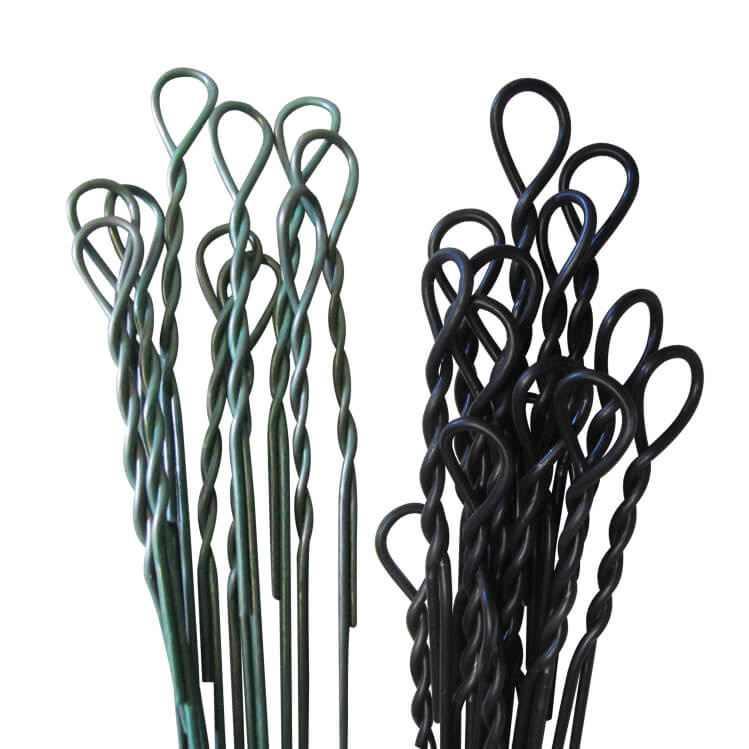
A recycling facility in Oakland was losing 45 minutes per shift to broken baling wire. Their balers were jamming, bales were splitting open on the truck, and they were burning through 30% more wire than they should have been. The problem wasn't the baler. It was the wire. They had been buying the cheapest 14-gauge black annealed they could find, and the tensile strength was all over the map. One spool would test at 55,000 PSI, the next at 72,000. When you're running an auto-tie baler at 40 cycles per hour, that kind of inconsistency kills you. After switching to Western Steel & Wire's tested, consistent-tensile baling wire, their downtime dropped 90%, wire usage normalized, and they saved $12,400 per quarter in replacement and re-ties.
Baling wire is not sexy. It is not the kind of product engineers get excited about. But when it fails, everything stops. An automatic baler that should tie 200 bales per hour shuts down after 50. A hay operation that should move 80 tons per day limps to 40. A recycling line that processes 15 tons per shift drops to 8. And the real cost is not just the downtime; it is the ripple effect. Delayed shipments anger customers. Missed contracts damage relationships. Labor sitting idle costs money you cannot recover.
This guide covers everything you need to know about baling wire: the types, the gauges, how to choose between black annealed and galvanized, and why consistency matters more than price. We will walk you through the applications - from small-scale hay operations to high-volume recycling facilities - and show you exactly how to stop wasting wire and downtime on your baling operation.
Types of Baling Wire: Single Loop, Double Loop, and Stem Wire
Baling wire comes in three core configurations, each optimized for a different role in the baling process.
Single-loop ties are the standard. A single loop is formed around the bale in one continuous wrap. Single loops are fast, simple, and ideal for lightweight materials like straw, paper waste, and cardboard. They use less wire per bale (roughly 1.5 to 2 ounces), which means lower material cost and faster cycle times. Most small-to-medium farms and light-duty recycling operations use single-loop ties exclusively.
Double-loop ties form two loops in a crisscross pattern, wrapping over opposite sides of the bale. Double loops use twice as much wire but provide significantly more stability. Bales tied with double loops can withstand aggressive stacking, long-distance transport, and rough handling without splitting. A Central Valley hay operation we work with switched from single-loop to double-loop ties and eliminated 95% of bale breakage during 200-mile truck hauls. Their hay arrived in better condition, they could command higher prices, and they eliminated $15,000 annually in quality losses. That is the double-loop value proposition: spend a little more on wire, avoid catastrophic breakage.
Stem wire is a specialized feedstock for high-speed automatic balers. Stem wire is continuous, high-tensile wire (70,000-90,000 psi) that is fed directly into the baler's mechanical hook system. The baler's twine-tying mechanism loops the stem wire to form the bale tie automatically. Stem wire is thinner (9-11 gauge) and stronger than standard baling wire because it must withstand the mechanical stress of rapid, repeated bending and tying cycles. Only high-speed baling operations use stem wire; hand-tie or simple single-wrap balers do not.
Here is a comprehensive comparison:
| Wire Type | Gauge Range | Tensile Strength | Best Applications | Typical Packaging |
|---|---|---|---|---|
| Single Loop Bright | 11, 12, 13, 14 | 55,000-72,000 psi | Straw bales, paper recycling, general bundling | 50-100 lb spools, 25 lb coils |
| Single Loop Black Annealed | 11, 12, 13, 14 | 50,000-65,000 psi | Automated balers, hay, agricultural materials | 50-100 lb spools, 25 lb coils |
| Double Loop Black Annealed | 12, 13, 14 | 50,000-65,000 psi | Hay transport, long-distance hauling, high breakage prevention | 25 lb coils (per tie) |
| Stem Wire | 9, 10, 11 | 70,000-90,000 psi | High-speed baler machines, twine hooks, mechanical feed | 200-250 lb spools |
| Galvanized Baling Wire | 11, 12, 13, 14 | 55,000-70,000 psi | Hay stored outdoors, agricultural exposure, marine environments | 50-100 lb spools |
Gauge Selection: Matching Wire to Baler and Material
Wire gauge is measured by diameter. The smaller the gauge number, the thicker the wire. For baling, gauges range from 9 (thickest, for stem wire) to 16 (thinnest, for ultra-light materials).
Most agricultural and recycling operations use 12-gauge or 14-gauge. This is not a coincidence. These gauges offer the optimal balance of strength, cost, and speed for the widest range of materials and baler designs.
Choose 12-gauge when tying dense, heavy materials. Hay that has been rained on and left to absorb moisture becomes much denser. Dense cardboard and mixed recycling are heavier per bale. Heavily compacted straw is denser than fresh straw. These materials create tighter bales and higher compression forces. 12-gauge wire has higher tensile strength (roughly 60,000-70,000 psi for black annealed) and resists breakage better under compression. Recycling facilities almost always use 12-gauge or 11-gauge because the material mix is unpredictable and density varies widely from load to load.
Choose 14-gauge for lighter, fluffier materials. Fresh straw, loose hay, and light paper waste compress less densely and create lower bale pressures. 14-gauge wire (55,000-65,000 psi) is more than adequate for these applications. It also costs less, uses less material per bale, and allows faster tying cycles. Agricultural operations that have consistent, predictable material (their own hay, for example) can reliably use 14-gauge year-round.
Choose 16-gauge only for extremely light materials (kraft paper, tissue, light straw). Very few balers can feed 16-gauge wire reliably. Most agricultural and recycling equipment is optimized for 12-14 gauge.
The single most important rule: check your equipment manufacturer's specification. Your baler's feed mechanism, twine hook, and tensioning system are designed to handle a specific range of gauges. Using the wrong gauge causes feed jams, breakage, and premature equipment wear. If you are unsure, ask your equipment dealer or contact us.
Black Annealed vs. Galvanized Baling Wire: When Coating Matters
The choice between black annealed and galvanized baling wire comes down to storage environment and longevity.
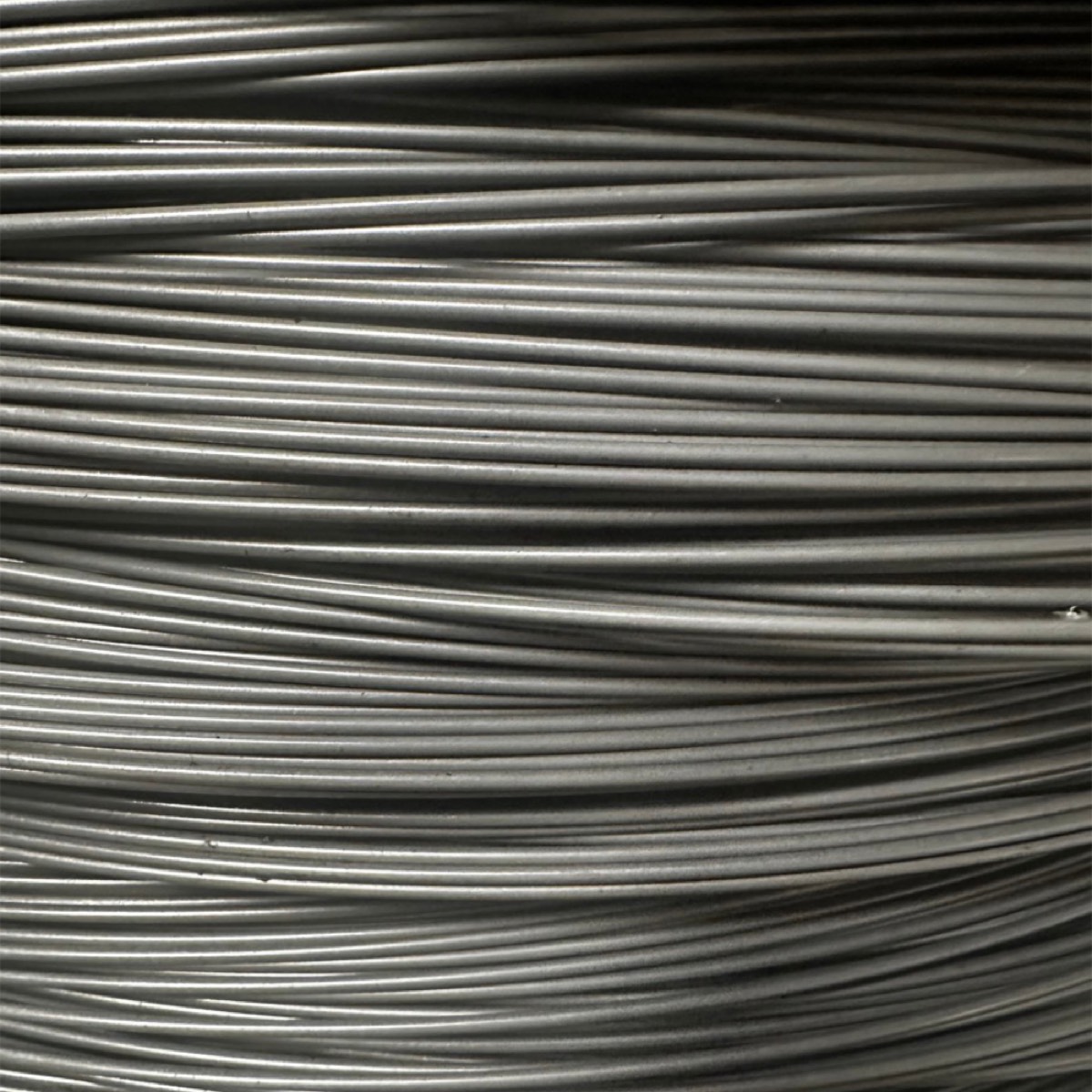
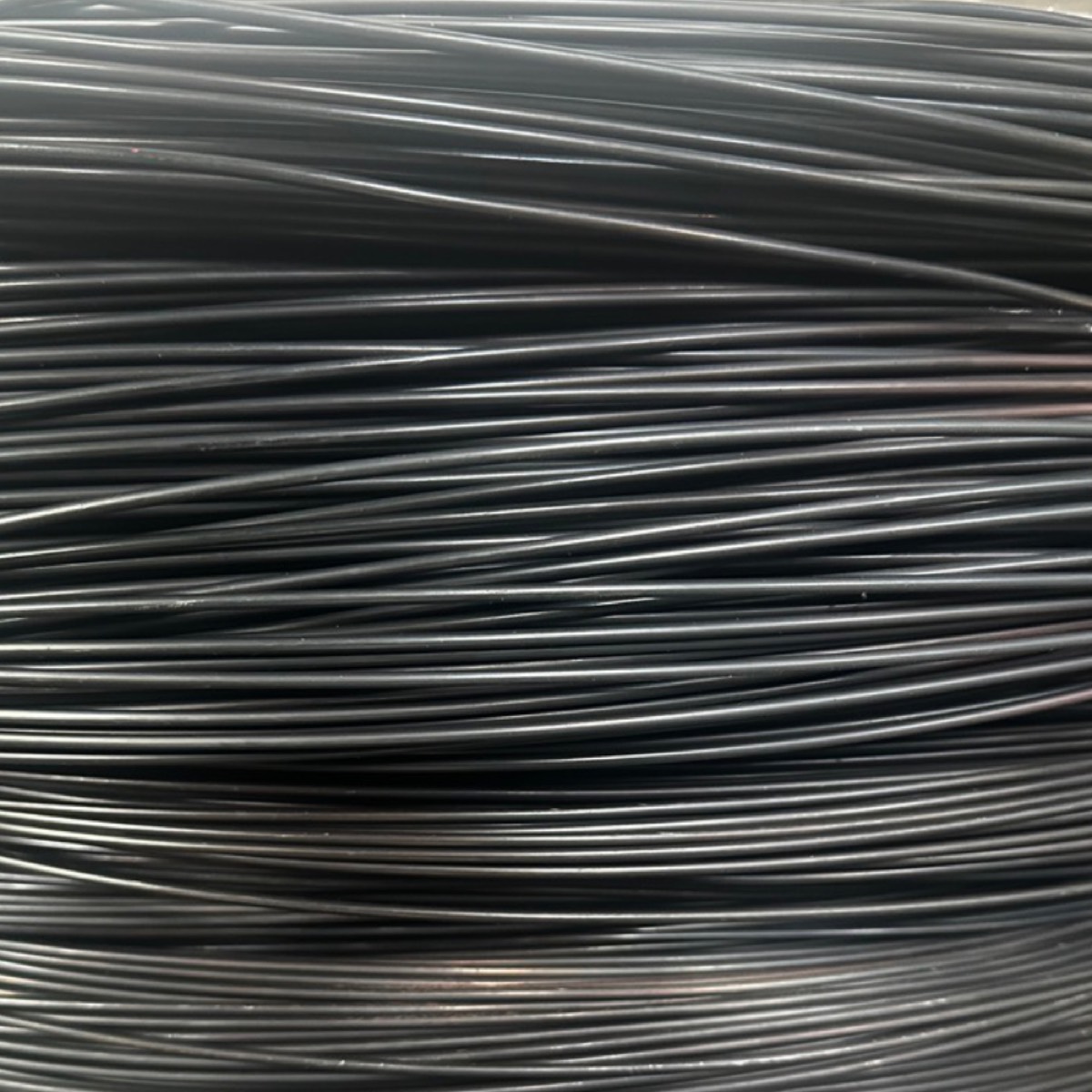
Black annealed wire is bare steel that has been heated and cooled to a specific hardness. The surface is dark (annealed black oxide), but there is no corrosion-resistant coating. Black annealed wire is softer, more flexible, cheaper, and the industry standard for most applications. It works perfectly for hay stored in barns, straw stored under cover, and cardboard or paper waste that will be processed within weeks. The tensile strength is typically 50,000-65,000 psi.
Galvanized baling wire is coated with a thin layer of zinc that resists rust. Galvanized wire costs 20-30% more than black annealed but retains its integrity in outdoor, wet, or humid conditions. Galvanized wire is ideal for hay stored outside, bales destined for coastal regions, and any operation where bales sit in weather for months. Hay stored outdoors in the Pacific Northwest or Northeast (high rainfall) benefits enormously from galvanized ties. The zinc coating prevents rust rings around the bale and keeps the wire from corroding and failing during long-term outdoor storage.
Rule of thumb: If bales are stored indoors or under cover and moved within 3 months, use black annealed and save the cost. If bales are stored outdoors, sit in the elements for 6+ months, or are destined for humid/coastal markets, upgrade to galvanized and avoid rust and failure.
Recycling, Agriculture, and Industrial: Application-Specific Guidance
Baling wire application requirements vary dramatically by industry.
Recycling Facilities (comingled, cardboard, scrap metal)
Recycling is the harshest environment for baling wire. Material density is unpredictable. Moisture content fluctuates. Metal edges cut and puncture wire. Magnets and mechanical handling create stress. Recycling facilities must use high-tensile, tested wire to avoid constant line stoppages. We recommend 11-gauge or 12-gauge black annealed, tested for consistent tensile strength between 65,000 and 75,000 psi. The Oakland facility that started this article had chronic problems until they committed to Western Steel & Wire's tested wire. Their consistency guarantee (every spool tested) eliminated the variability that was causing feed jams.
Agricultural Operations (hay, straw, silage)
Agricultural baling is more predictable than recycling but still demands reliable wire. Hay operations benefit from consistency and from understanding their material density. Fresh, dry hay can use 14-gauge. Rained-on or dense hay needs 12-gauge. Straw typically works well with 14-gauge. Operations that bale their own material and store it under cover can use black annealed exclusively. Those that sell hay regionally or store outdoors should use galvanized. Most agricultural operations standardize on one gauge (typically 14-gauge) and one type (black annealed) to simplify purchasing and machine setup.
Bakeries, Food Processing, and Specialty Materials
Some specialty operations bale materials like hops, straw for animal bedding, or food-grade cardboard. These applications benefit from galvanized wire because the bales may be transported through multiple facilities and exposed to varying humidity and moisture. Bakeries that receive specialty flour or grain in bulk bales expect the bales to arrive in excellent condition. Using galvanized ties ensures that rust or discoloration does not contaminate the material or the final product.
How to Stop Wasting Wire (and Money) on Your Baling Operation
Most operations bleed money on baling wire in three ways: buying cheap untested wire, using the wrong gauge, and operating with inconsistent machines.
Buy tested wire. The difference between untested commodity wire and tested wire is not primarily about price; it is about consistency. Untested wire from a mass-market distributor might cost 10% less per pound. But if one spool in five breaks prematurely, your effective waste rate is 20%, and your downtime cost is catastrophic. Western Steel & Wire tests every spool we produce. That consistency eliminates feed jams, reduces broken wire, and normalizes your consumption rate. Over time, tested wire almost always costs less because you buy less of it and lose less to downtime.
Match your gauge to your material. The biggest mistake we see is standardizing on 14-gauge "because it is cheaper" and then using it for everything. Recycling facilities that try to use 14-gauge for dense loads experience constant breakage. Agricultural operations that use 12-gauge for light straw are overspending. Spend 30 minutes understanding your material density and baler capacity. Choose the right gauge for your primary material. If you process varied materials, invest in a baler that can switch gauge ranges or maintain two wire spools (one 12-gauge, one 14-gauge).
Maintain your baler. A machine that has worn hooks, loose guides, or bent feed rollers will break more wire than a well-maintained machine. Wire gets twisted, sheared, or knotted. Good maintenance preventive maintenance extends both baler life and wire consistency. If you notice increased breakage, have your equipment serviced before blaming the wire. But equally, if your equipment is maintained and you are still seeing breakage, it is probably the wire.
Frequently Asked Questions
What gauge baling wire do I need for my application?
Gauge selection depends on your baler model and material type. Most agricultural operations use 12-gauge or 14-gauge. Check your equipment manufacturer's specification - they will list the gauge range your baler is designed to handle. Using the wrong gauge causes feed jams, broken wire, and lost productivity. 14-gauge is lighter and faster for lightweight materials like straw. 12-gauge is stronger and better for dense hay or recycling. If you are unsure, ask your equipment dealer or contact Western Steel & Wire and we will match your baler model to the correct gauge.
What is the difference between single-loop and double-loop bale ties?
Single-loop ties form one loop around the bale during tying. Double-loop ties form two loops, creating a crisscross pattern on both sides of the bale. Single-loop ties are faster and suitable for lightweight materials and short transport distances. Double-loop ties provide 95% less bale breakage during long-distance hauling, especially for hay. If your bales travel more than 50 miles to market or are stacked aggressively in trucks, double-loop ties are worth the switch. A Central Valley hay operation we supply saved $15,000 annually in lost hay from reduced breakage after switching to double-loop ties.
Should I use black annealed or galvanized baling wire?
Black annealed wire is softer, cheaper, and standard for most baling applications. It works perfectly for hay, straw, and materials stored in dry or covered facilities. Galvanized wire costs 20-30% more but resists rust and is ideal for outdoor storage, coastal regions, or long-term hay inventory exposed to rain and humidity. Choose black annealed for convenience and cost savings in dry storage. Choose galvanized if your bales will be stored outdoors or exposed to moisture for months.
How much baling wire should I budget per ton of material?
A typical round bale uses 1.5 to 2.5 ounces of wire, depending on bale size and density. A square bale uses 2 to 4 ounces. A standard 50-pound spool of 14-gauge wire contains roughly 1,500-2,000 feet and will tie 400-600 bales, depending on bale size and the number of wraps your machine makes. For budgeting: assume 4-8 pounds of wire per ton of baled material. Recycling operations often use more wire (8-12 pounds per ton) due to denser, more aggressive material. Poor-quality wire that breaks and gets tangled can increase consumption by 25-30%. Upgrading to consistent-tensile wire often reduces wire consumption and downtime simultaneously.
Can I use regular wire in my automatic baler?
No. Automatic balers require wire with very consistent tensile strength and consistent diameter. Variations as small as 0.003 inches or tensile fluctuations of ±10,000 psi cause feed jams and wrap failures. Many recycling facilities and agricultural operations fail because they buy the cheapest 14-gauge wire without verifying that every coil meets ASTM standards. Western Steel & Wire tests every spool we produce. Consistency is not a luxury feature in automatic balers; it is a requirement. Using untested wire in an automatic baler is like playing Russian roulette with your production schedule.
The Bottom Line
Baling wire is a commodity, but your choice of supplier is not. The Oakland recycling facility switched from a low-cost distributor to Western Steel & Wire because they were tired of downtime and waste. The Central Valley hay operation upgraded from single-loop to double-loop ties and eliminated $15,000 annually in transport losses. Both made deliberate choices based on application requirements, not just price.
Single-loop black annealed 14-gauge wire is the right choice if you are tying light, predictable material (fresh straw, dry hay) that will be stored under cover for weeks, not months. Double-loop ties are worth the investment if your bales travel long distances or are stacked aggressively. 12-gauge is necessary for dense material or high-speed operations. Galvanized wire is essential if bales will be stored outdoors or in humid conditions.
But the single most important choice is buying tested wire. Consistent tensile strength eliminates feed jams, reduces downtime, and normalizes your wire consumption. The 10% you save by buying cheap untested wire is always lost in the first breakdown.
The Oakland recycling facility now buys baling wire from Western Steel & Wire because they know every spool will perform consistently. That is what tested wire buys you: predictability. And in a baling operation, predictability is worth far more than the price tag.
Why Work With Western Steel & Wire for Baling Wire
- We supply bale ties, bag ties, and stem wire in every gauge from 9 to 16. Every coil is tested for tensile strength consistency, and we maintain the largest bare wire inventory in the western United States for fast turnaround.
- Single-loop, double-loop, and specialty configurations available in black annealed and galvanized. We can spool wire to your exact specifications and ship within 24 hours.
- Custom tie configurations and bulk pricing for recycling facilities, agricultural operations, and high-volume manufacturers. We work with your equipment specifications to ensure compatibility and performance.
- Tired of baling wire breakage and downtime? Visit westernsteelwire.com or call us for a quote on tested baling wire, double-loop ties, or custom spooled configurations. Let us help you stop wasting wire and keep your baler running.

Comments (0)
Leave a Comment